
.svg)
%20(1).svg)
%20(3).svg)
Back to articles
Claude AI Pricing Explained: What You're Really Paying For
October 1, 2026
By
Irina Maltseva
Claude's pricing ladder looks simple. Six tiers, clean numbers, a free plan at the bottom and Enterprise at the top. It isn't simple. The complexity hides in relative usage multipliers nobody explains, a separate API billing universe that exists in parallel, a five-seat minimum that quietly punishes small teams, and an annual discount that's easy to miss if you're scanning a pricing page quickly.
This matters more now than it did two years ago. In 2023, most AI tools were free or close to it. In 2026, a single AI subscription can cost $200 a month — and most people running multiple AI tools have no clear picture of what they're actually spending across their stack. This guide breaks down every Claude tier, where the hidden complexity sits, how Claude compares to its main competitors, and how to keep total AI costs under control.
Here's every Claude plan, current as of mid-2026:
One thing worth knowing upfront: Max tiers add usage headroom, not new features. If you're on Pro and hitting limits, Max 5x gives you more room to work. It doesn't give you access to more capable models or different capabilities than Pro.
The tier table looks clear. The gaps between the tiers are where things get complicated.
Anthropic describes Max 5x as "5 times more usage per session than the Pro plan" — but they don't publish what the Pro baseline actually is in absolute terms. Two users on the same plan, with different task complexity and message lengths, can hit very different real-world ceilings on the same day. If you're trying to decide whether to upgrade from Pro to Max, there's no clean number to evaluate. You have to run into the limit first.
If you're a developer integrating Claude into a product or workflow, subscriptions don't cover that. API usage is billed per million tokens — Claude Sonnet 4.6 at $3/$15 per million input/output tokens, Haiku 4.5 at $1/$5, Opus 4.6 at $5/$25. This is a completely different billing universe from your subscription. It's easy to assume your Pro plan covers everything; it doesn't.
A three-person team that wants Team features — SSO, admin controls, shared Projects — has to pay for five seats regardless. That's $125/mo in monthly billing, $100/mo annually, for seats that don't correspond to actual users. It's a meaningful cost for small businesses and startups.
Pro at $20/mo monthly becomes $17/mo on annual billing — a $36/year saving, billed as $204 annually. Team Standard drops from $25 to $20/seat on annual billing — $300 in annual savings for a five-person team. These aren't small numbers — and they're easy to miss if you don't notice the monthly/annual toggle on the pricing page.
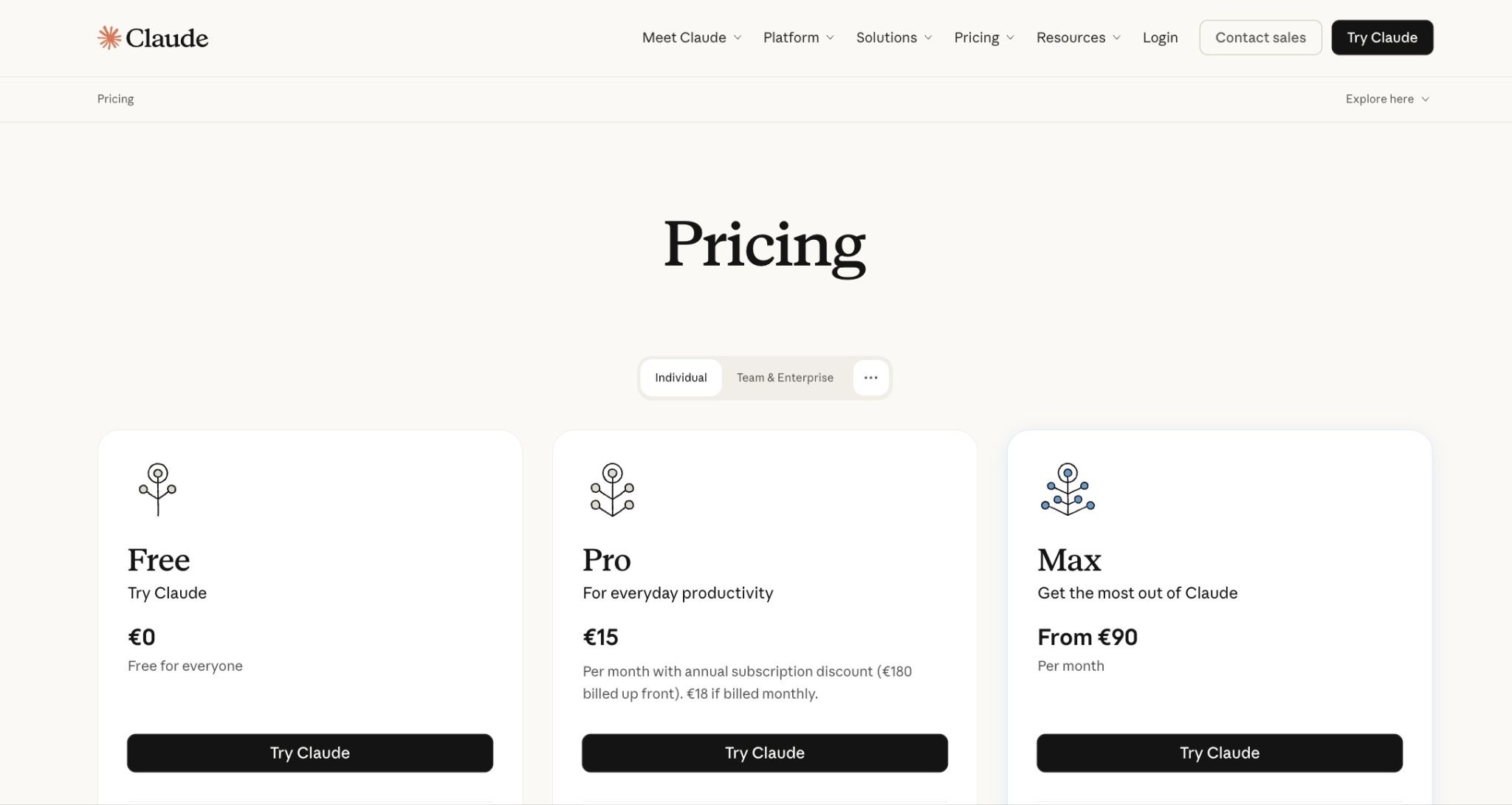
Claude's pricing complexity isn't an anomaly. It's the direction the entire market is moving.
Most major AI tools went from free to $20–30/month for basic paid access, up to $200/month for premium tiers — a shift that happened largely between 2023 and 2025, as AI companies moved to recover the significant infrastructure costs behind running large language models at scale.
The numbers behind that shift are significant. Global spending on AI is forecast to rise 44% in 2026, according to Gartner — with total category spending expected to top $2.5 trillion as infrastructure providers aggressively scale AI-optimized servers — signaling that further price increases across the category are more likely than not. Out of an estimated 1.8 billion AI users worldwide (including a massive baseline of 600 million daily active users), only around 3% currently pay for premium services, according to Menlo Ventures. As AI companies push more users toward paid tiers to close that gap, the free plans that attracted those users are getting thinner.
This table from Lorka's research shows how pricing has shifted across the major platforms since launch:
The trajectory is consistent across providers. Entry-level paid access has stabilized around $20/month. The premium tiers are where the divergence is growing.
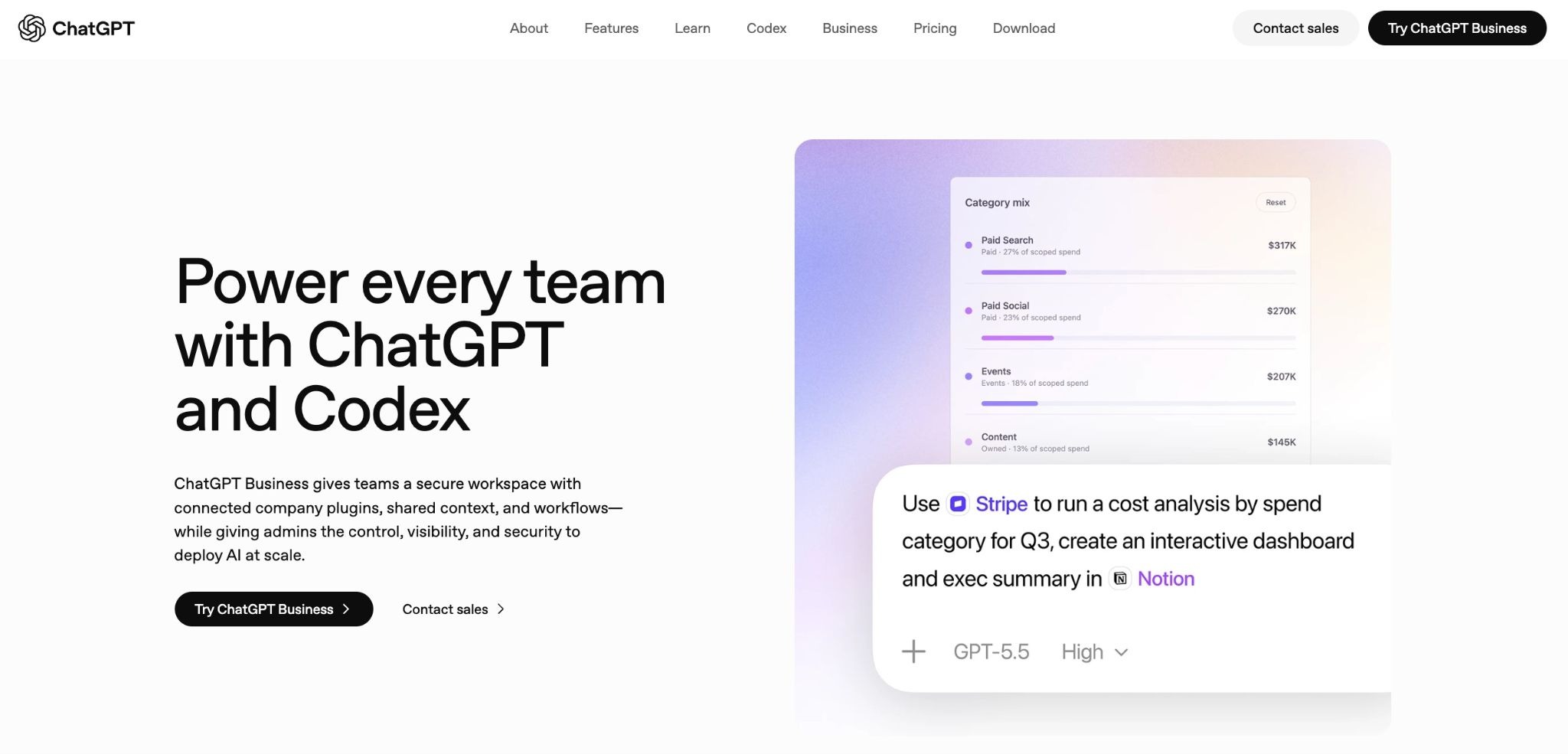
At the entry paid tier, pricing has converged. Claude Pro, ChatGPT Plus, and Gemini AI Pro all come in at roughly $20/month. For most users, the decision at this level isn't about price — it's about model quality, feature bundling, and which platform fits their workflow.
At the premium consumer tier, the comparison gets more interesting:
The "$20/month" entry point doesn't mean the same thing across tools. Claude Pro includes Claude Code and Cowork at no extra charge — features competitors charge more for or don't offer in the same form. ChatGPT Plus includes higher limits for image generation and access to advanced reasoning models. Gemini AI Pro integrates tightly with Google Workspace if you're already in that ecosystem.
The practical question isn't which tool is cheapest — it's which tool you actually use, how often you hit limits on it, and whether you're paying for overlapping capabilities across multiple subscriptions.
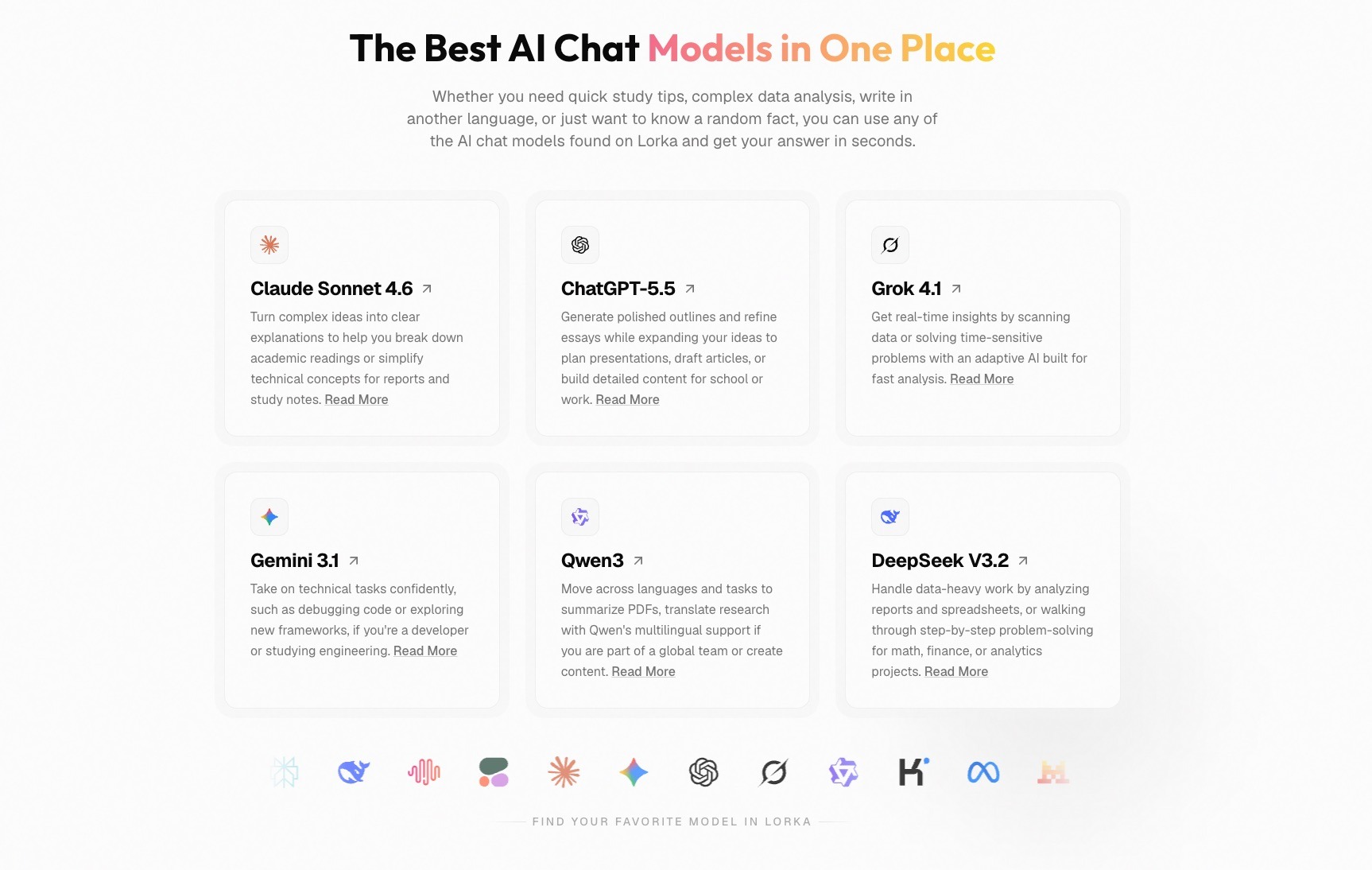
Which brings us to the real issue. Claude is rarely the only AI tool people pay for.
Lorka's research built out the AI tech stack of a typical freelance creative in 2026: ChatGPT Plus for content, Midjourney for image creation, Runway for video, Perplexity for research, Canva Pro for design, Otter.ai for transcription, and Grammarly for editing. Annual total: $1,236. In early 2023, the same freelancer would have been on free or trial plans for most of those tools. Their stack is now at least $872 more expensive than it was three years ago.
The cost isn't just the individual subscriptions — it's the overlap. ChatGPT Plus now includes image generation. Claude Pro includes research mode. Perplexity covers research. Grammarly covers editing that LLMs can now handle natively. Most users paying for four or five AI tools are paying for the same capability two or three times. The same check applies to meeting capture: if a freelancer already uses Granola AI, they should compare it with Otter.ai before paying for both.
The audit framework Lorka recommends is straightforward:
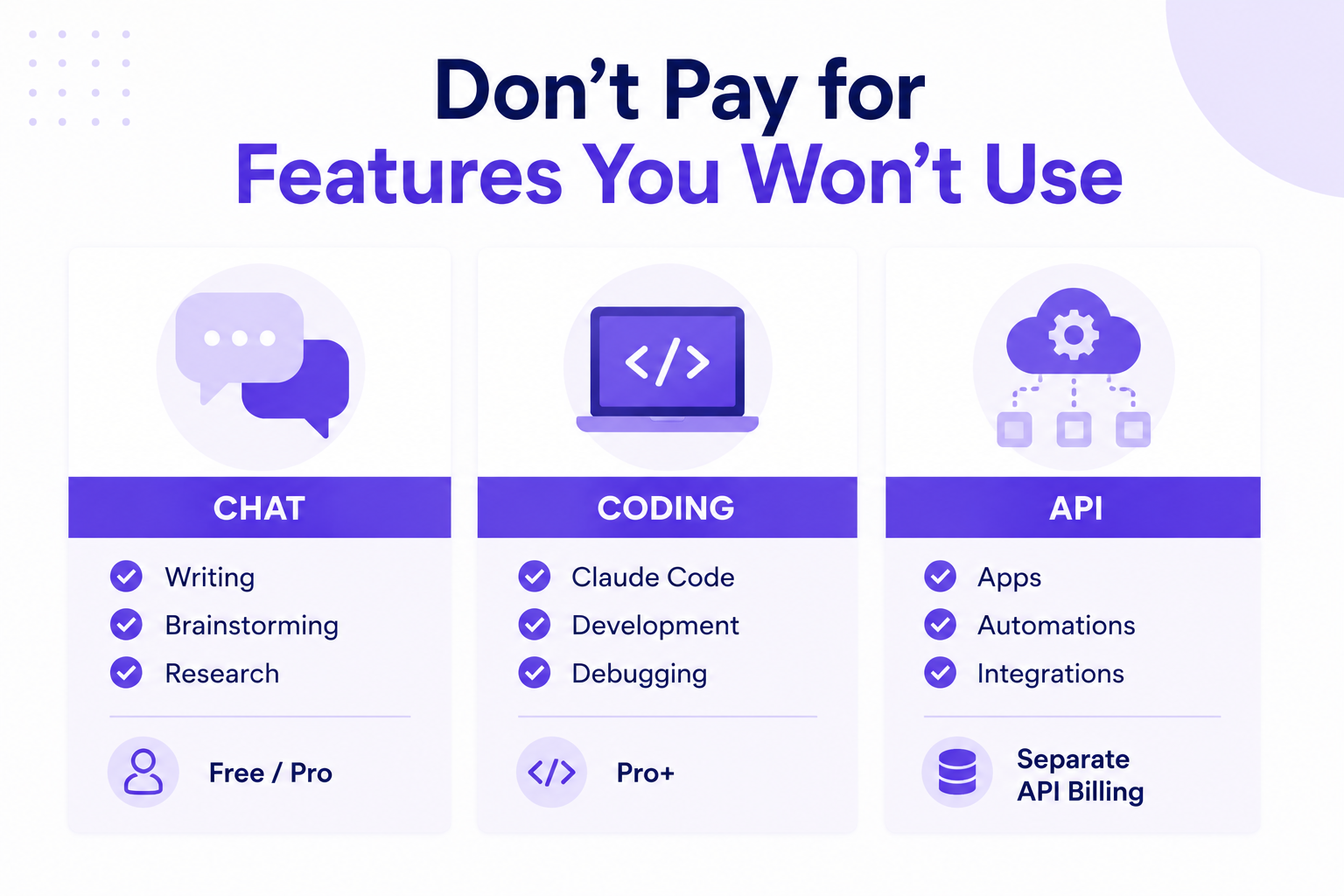
The honest answer is: it depends on which plan you're on and whether it matches your actual usage.
Before upgrading, ask yourself:
If you're bumping into limits a few times a week, that's a signal to upgrade. If it happens once a month, the economics of Max 5x at $100/month are harder to justify.
Claude Code is included from Pro upward. If you're not using it — and many users aren't — you're getting a feature you're paying for that you could ignore entirely.
If you're building a product or integrating Claude into a workflow, subscriptions don't cover that. You'll need an API key with separate billing, and the math changes significantly depending on your token volume.
Claude Pro at $17/month annual is genuinely competitive for what it includes. Max 5x and Max 20x are the right tiers for heavy users who need sustained usage without hitting session caps — but they're only worth the jump if you're regularly running into Pro limits, not aspirationally.
Claude's pricing might look clear on the surface, but knowing what you're paying for — and whether it overlaps with tools you already have — is a different question.
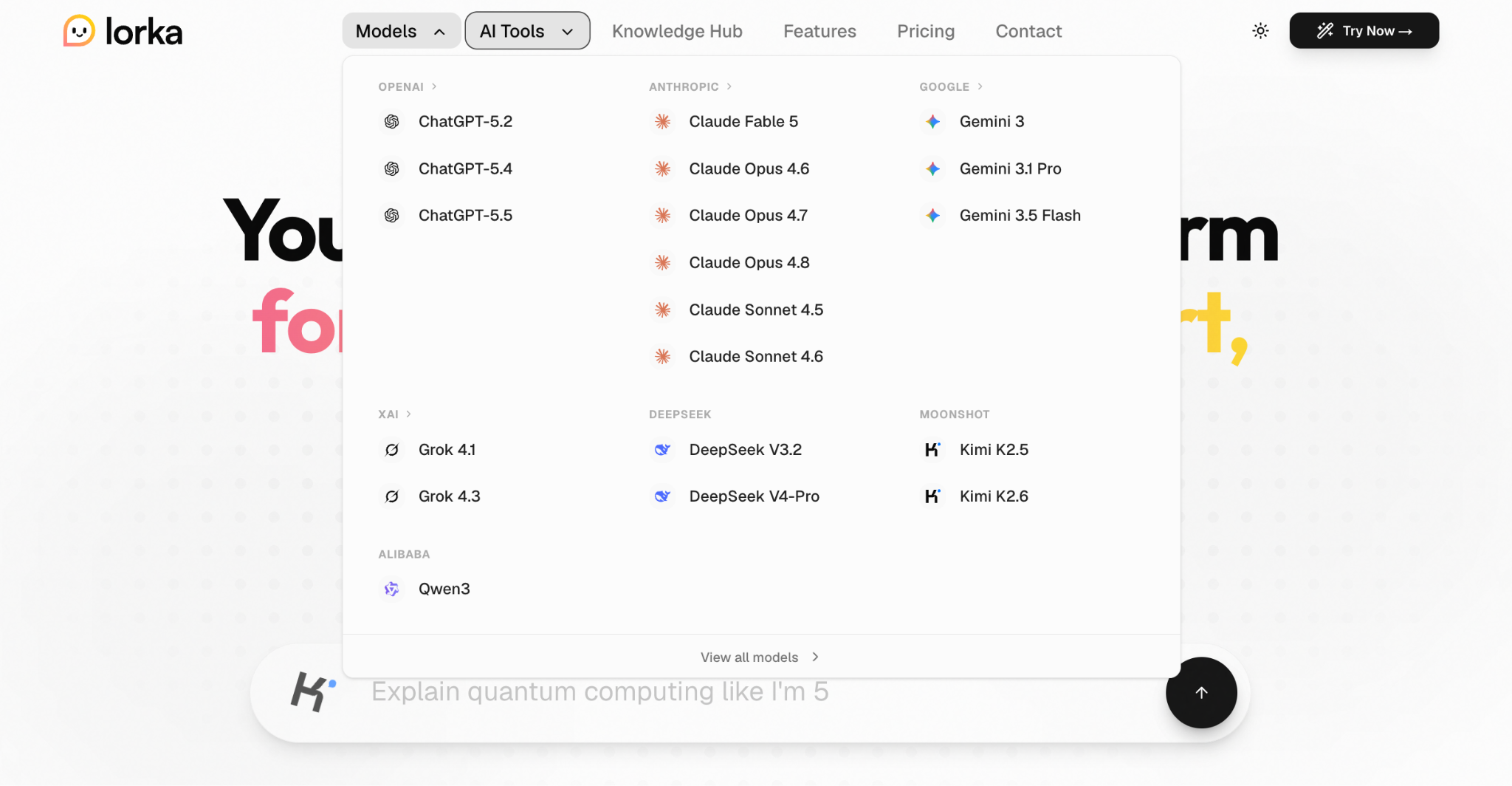
Are you clear on your AI spending and where you get value from your AI tech stack? Keep your total spending under control by using Lorka AI. For a flat $19.99 a month, Lorka bundles Claude, GPT, Gemini, and more into one subscription — effectively undercutting the $142+ combined price tag of holding separate premium subscriptions — so you can access the models you need without managing separate accounts, separate billing cycles, and separate usage limits across each platform.

Irina is a Founder at ONSAAS, Growth Lead at Aura, and a SaaS marketing consultant. She helps companies to grow their revenue with SEO and inbound marketing. In her spare time, Irina entertains her cat Persie and collects airline miles.
.svg)
.svg)
.svg)
.svg)
.svg)