Inbound marketing in 2026 isn't one tool — it's a stack. And the way you build that stack depends entirely on where you are in your growth stage, what your funnel looks like, and which part of the customer journey is currently leaking.
This guide skips the noise and organizes the best inbound marketing tools by what they actually do in the funnel — attract, convert, nurture, and measure — so you can build your stack strategically instead of collecting software you barely use.
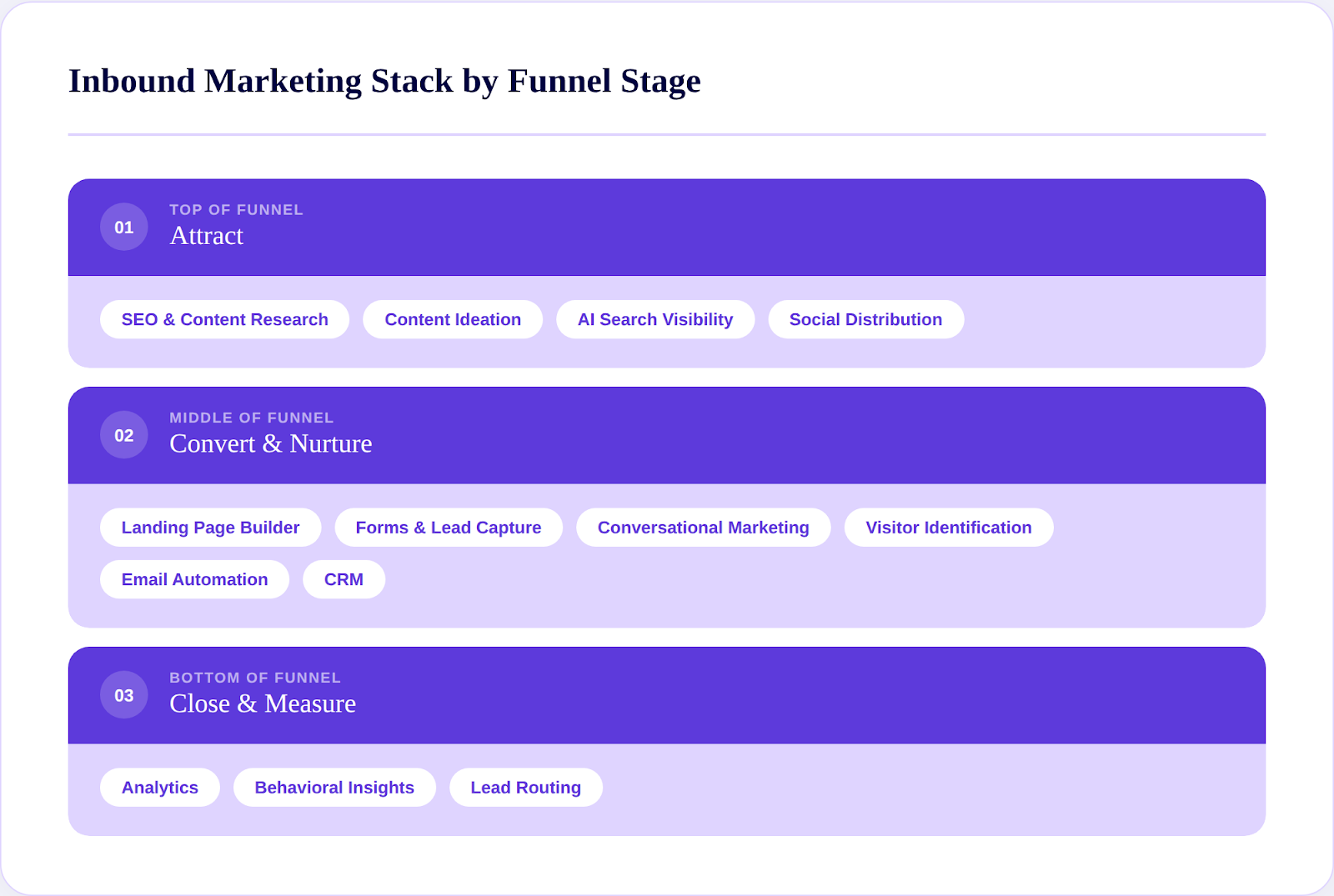
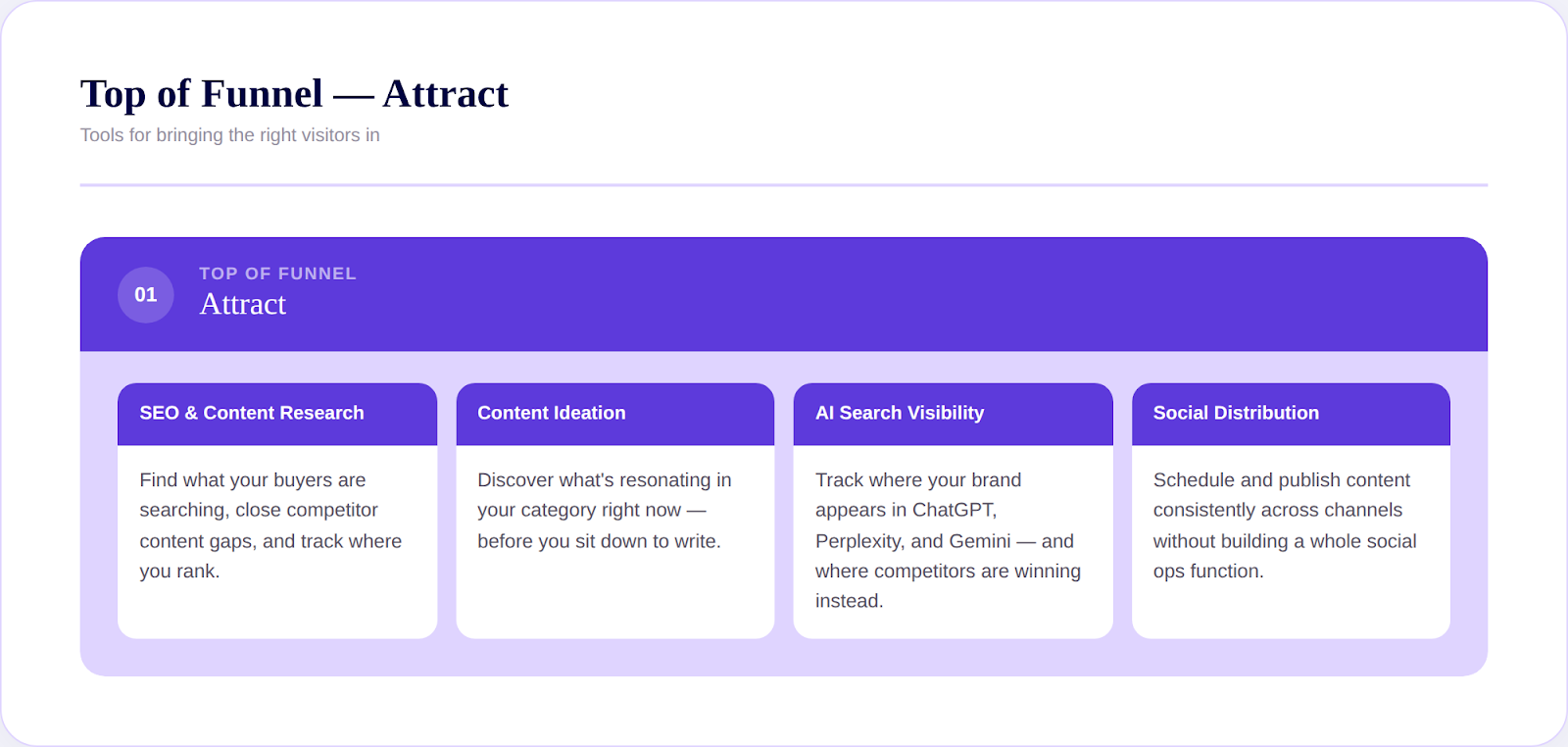
This is the most crowded category in inbound, and the one teams consistently over-invest in before their conversion layer is ready. There's not much point in driving more traffic if the traffic you already have isn't converting. That caveat aside, here are the tools worth using.
Most inbound programs start here — and most over-invest here before the rest of the funnel is ready. These three tools cover the full SEO workflow from research to ranking.
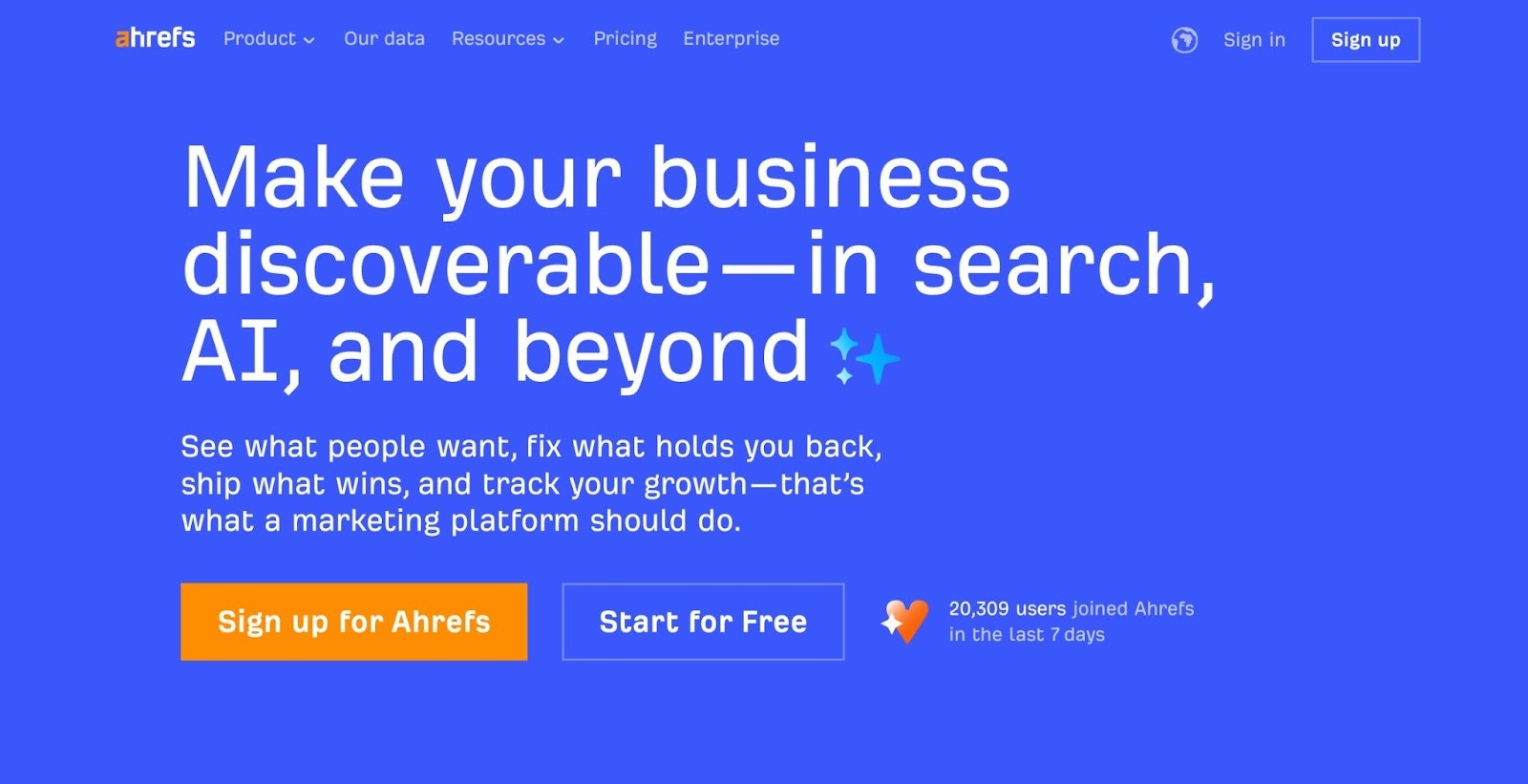
Ahrefs is still the gold standard for keyword research, backlink analysis, and finding the content gaps your competitors haven't closed yet. If you're building an SEO-led inbound program from scratch, this is where most teams start. The keyword explorer and Site Explorer are genuinely excellent, and the data is consistently more reliable than cheaper alternatives. Best for SEO-focused teams with a clear organic growth strategy.
Pricing: from $129/month.
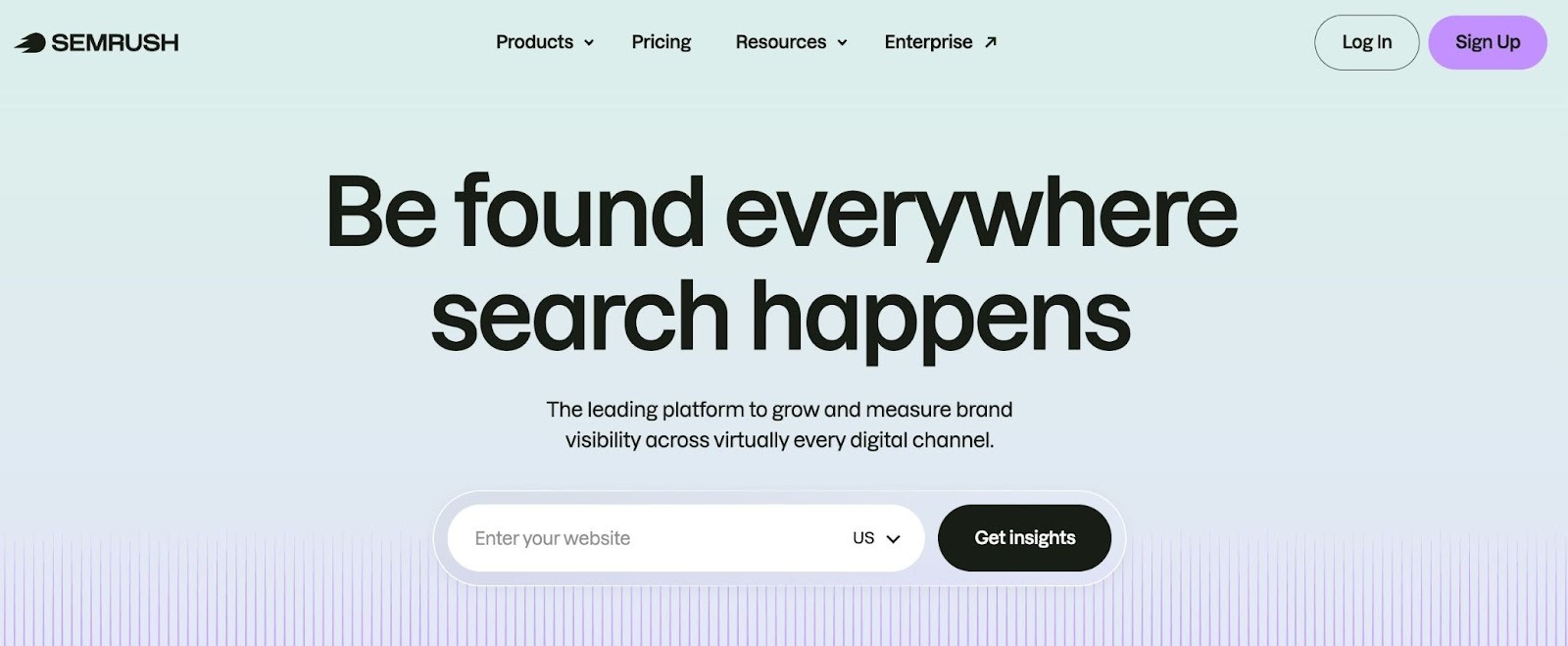
Semrush covers more ground than Ahrefs — stronger on content workflows, ad research, and competitive intelligence across paid and organic together. If you're a multi-channel acquisition team that needs one platform to see the full picture, Semrush edges ahead on breadth. And if your team is tracking brand presence in AI search alongside traditional rankings (which in 2026, it should be), the AI Visibility Toolkit add-on connects both worlds in one dashboard.
Pricing: from $139/month.
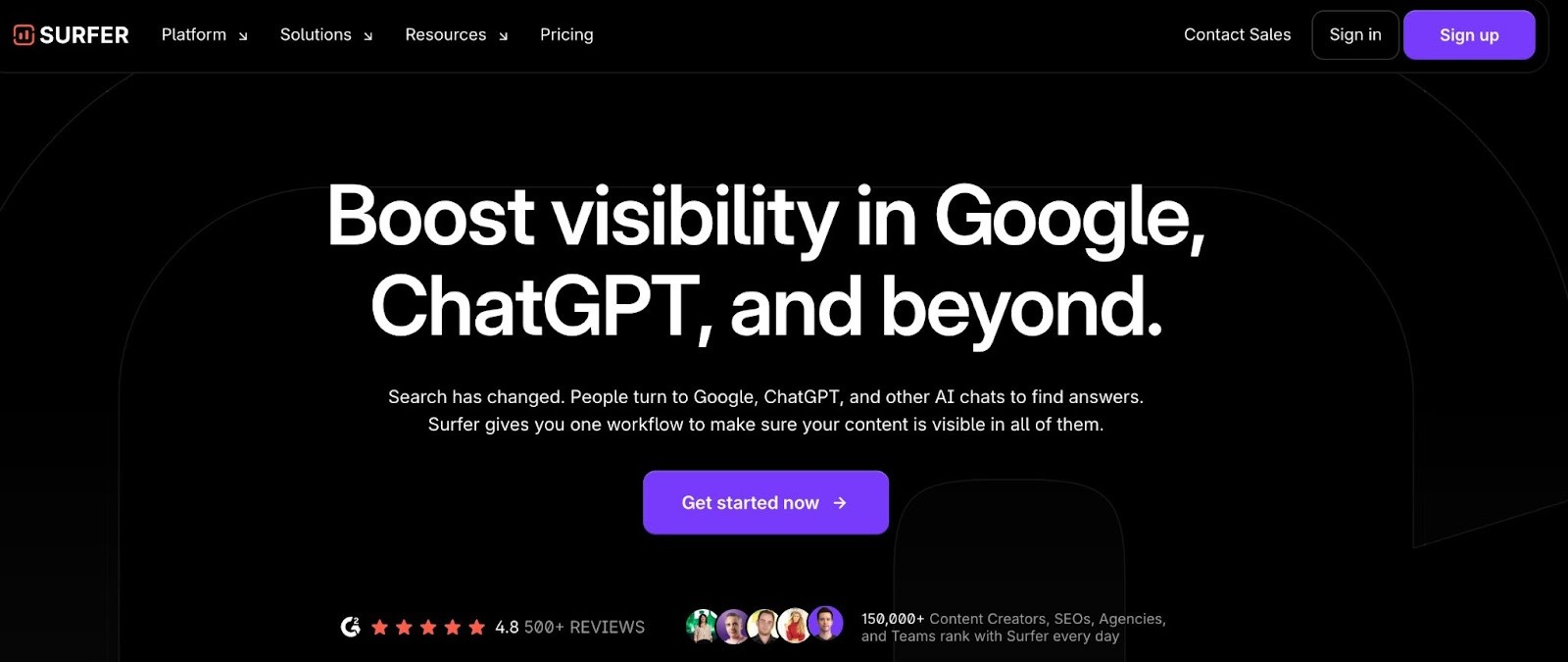
Surfer sits at a different point in the workflow — it's built for the writing stage rather than the research stage. While Ahrefs and Semrush tell you what to write, Surfer tells you how to write it to rank. Content guidelines, NLP optimization, and real-time scoring as you draft make it practically useful for writers in a way the bigger platforms aren't. Best for content teams publishing at volume who need fast, actionable optimization.
Pricing: from $99/month.
Knowing what to write is a different problem from knowing how to rank. BuzzSumo solves the first one.
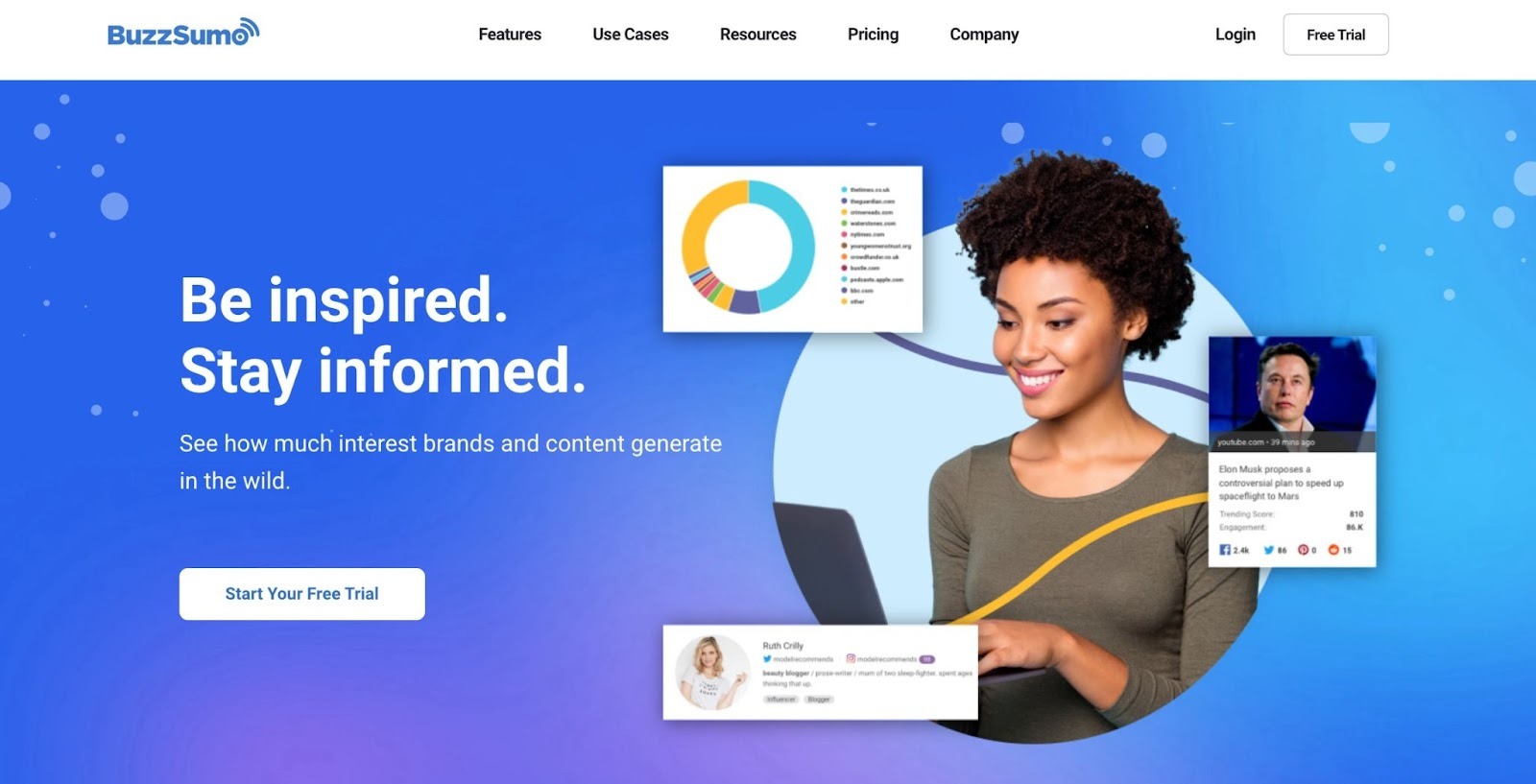
BuzzSumo tracks what content is actually resonating in your category — not what you think should work, but what's earning engagement and shares right now. It surfaces trending topics, competitor content performance, and the questions your audience is asking on Reddit and Quora. For editorial teams trying to get ahead of content cycles rather than always chasing them, it's one of the more practically useful research tools available. Best for content strategists and editorial teams.
Pricing: from $199/month.
This is the category most inbound marketing tool lists still ignore entirely, which is increasingly a mistake. A growing share of buyer research now starts in ChatGPT, Perplexity, and Google AI Overviews, not in a Google search. According to a 2026 Semrush survey of over 1,000 US shoppers, 51% now use AI tools during early product discovery, before they've searched Google, visited a vendor site, or clicked an ad.
If your brand isn't being cited in those responses, you're invisible at the top of a funnel that's quietly becoming your most important acquisition channel.
Three tools worth knowing, depending on where you're starting from.
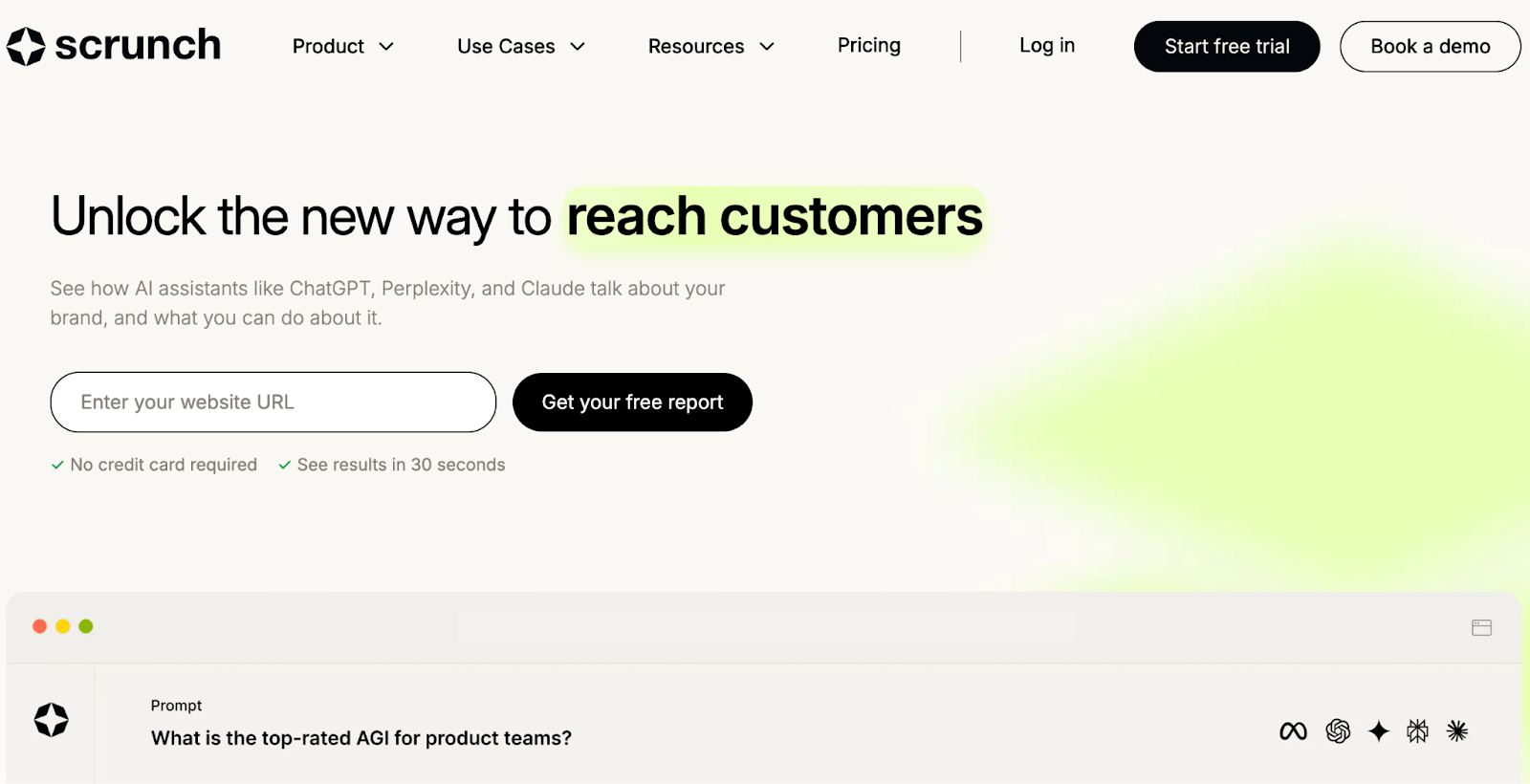
Scrunch is the deepest option for teams that want serious AI visibility intelligence. The customizable dimensions — filtering by persona, funnel stage, region, competitor, and topic simultaneously — make it genuinely useful for understanding not just whether you're cited, but where you're winning and losing by context. Built AI-first from the ground up, not an SEO tool with an add-on.
Pricing: from $300/month.
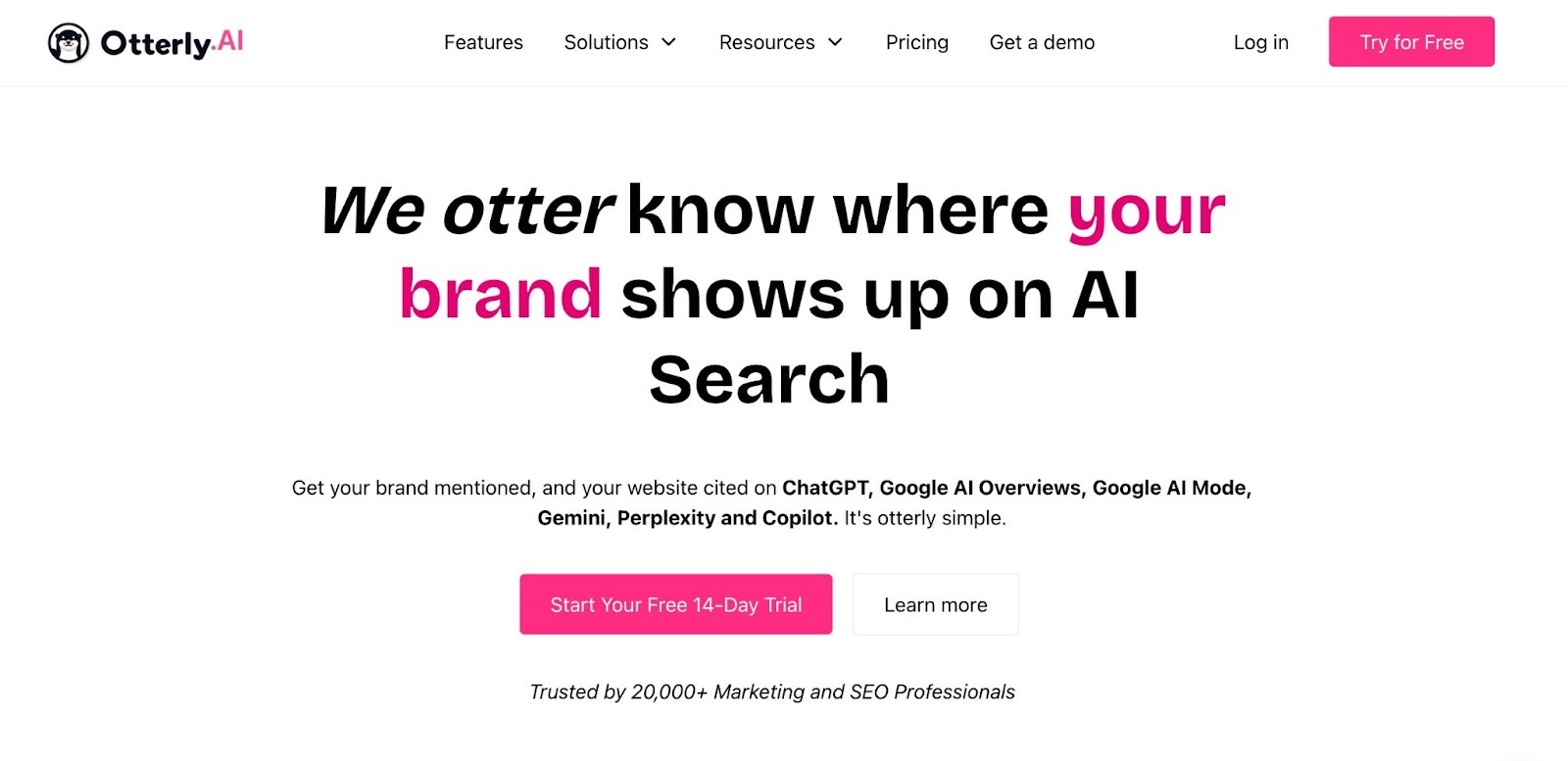
Otterly AI is the most accessible entry point if you're just getting started with AI visibility tracking. Covers six AI platforms, includes a GEO audit tool, and starts at $29/month with a 14-day trial. Good for teams that need to establish a baseline before committing to a more sophisticated platform.
Pricing: from $29/month
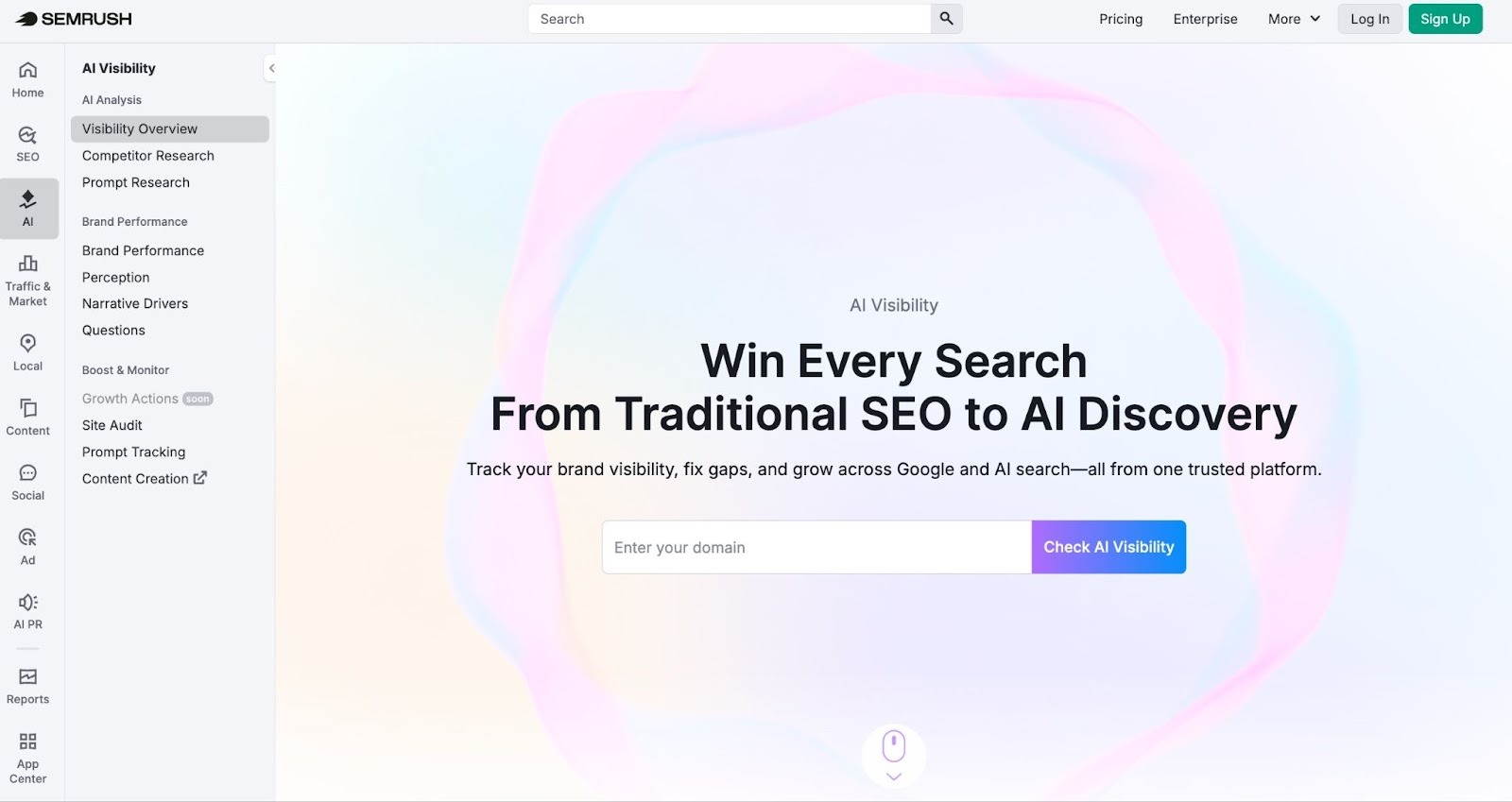
Semrush AI Visibility Toolkit is the right choice if you're already using Semrush and want to add AI search monitoring without another platform. It won't go as deep as a purpose-built tool, but the integration with your existing SEO data removes a meaningful workflow friction.
Pricing: from $99/month as a standalone add-on
Not a growth lever on its own, but a necessary distribution layer for the content you're already creating.
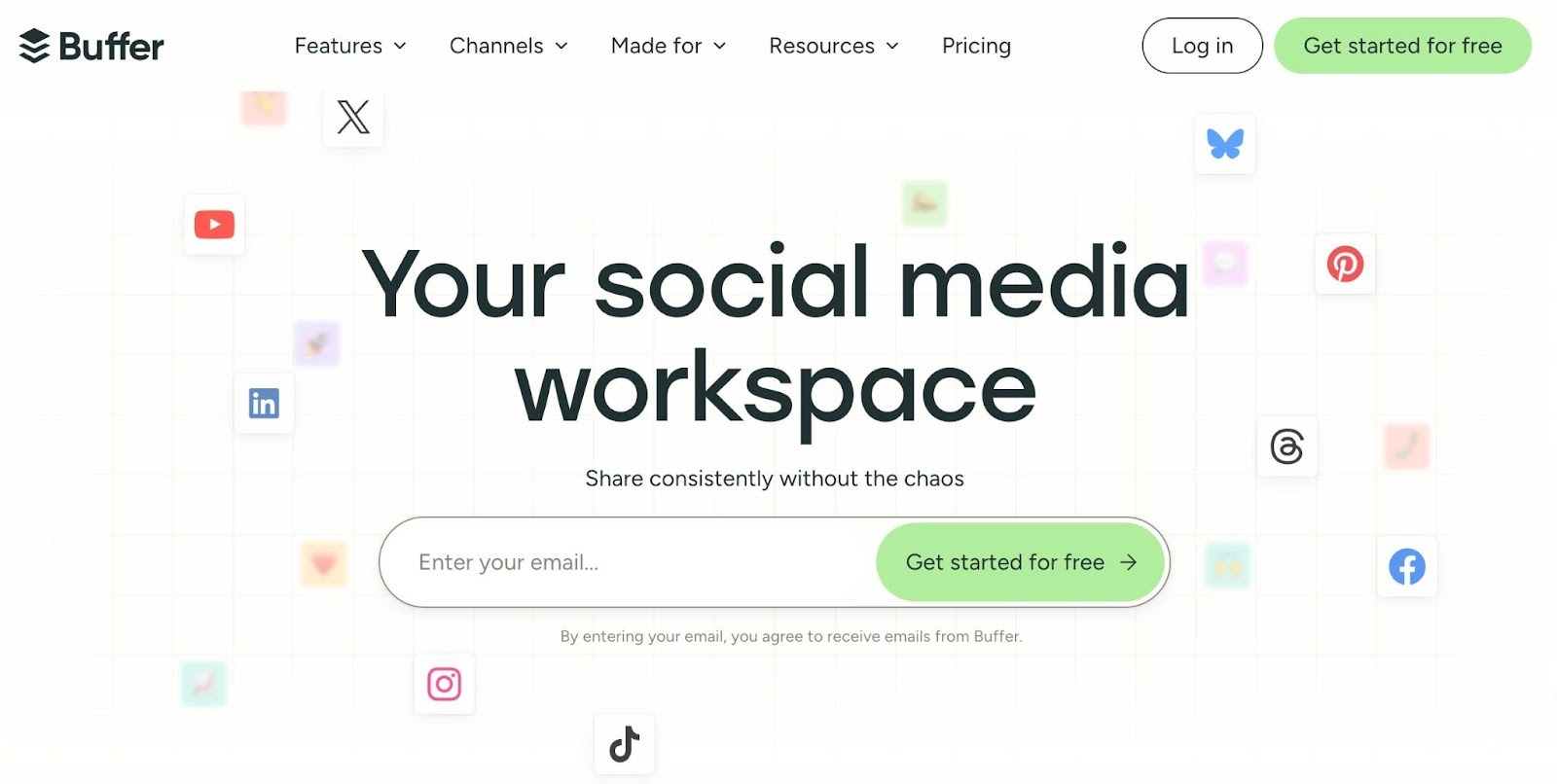
Buffer is the cleanest, most affordable option for consistent social distribution. The interface is genuinely simple, the scheduling works reliably, and it doesn't charge you for features a small team will never use. Best for small teams and solo marketers who need to show up consistently without building a whole social operations function around it.
Pricing: from $6/month.
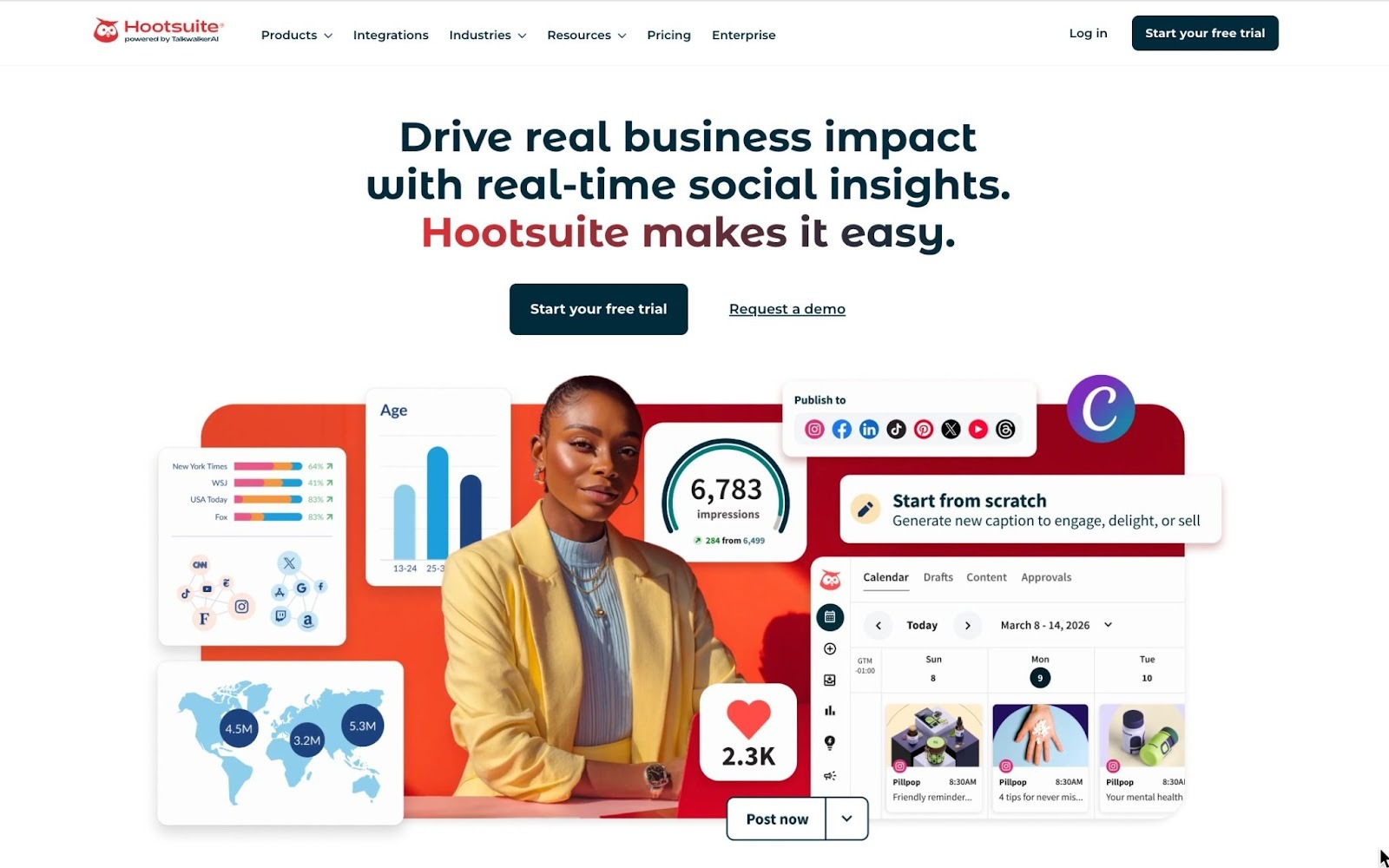
Hootsuite makes sense once you have multiple stakeholders involved in social — approval workflows, team permissions, and social listening capabilities that Buffer doesn't offer. For a mid-size team with a dedicated social function managing multiple accounts across multiple channels, the added complexity earns its price.
Pricing: from $99/month.
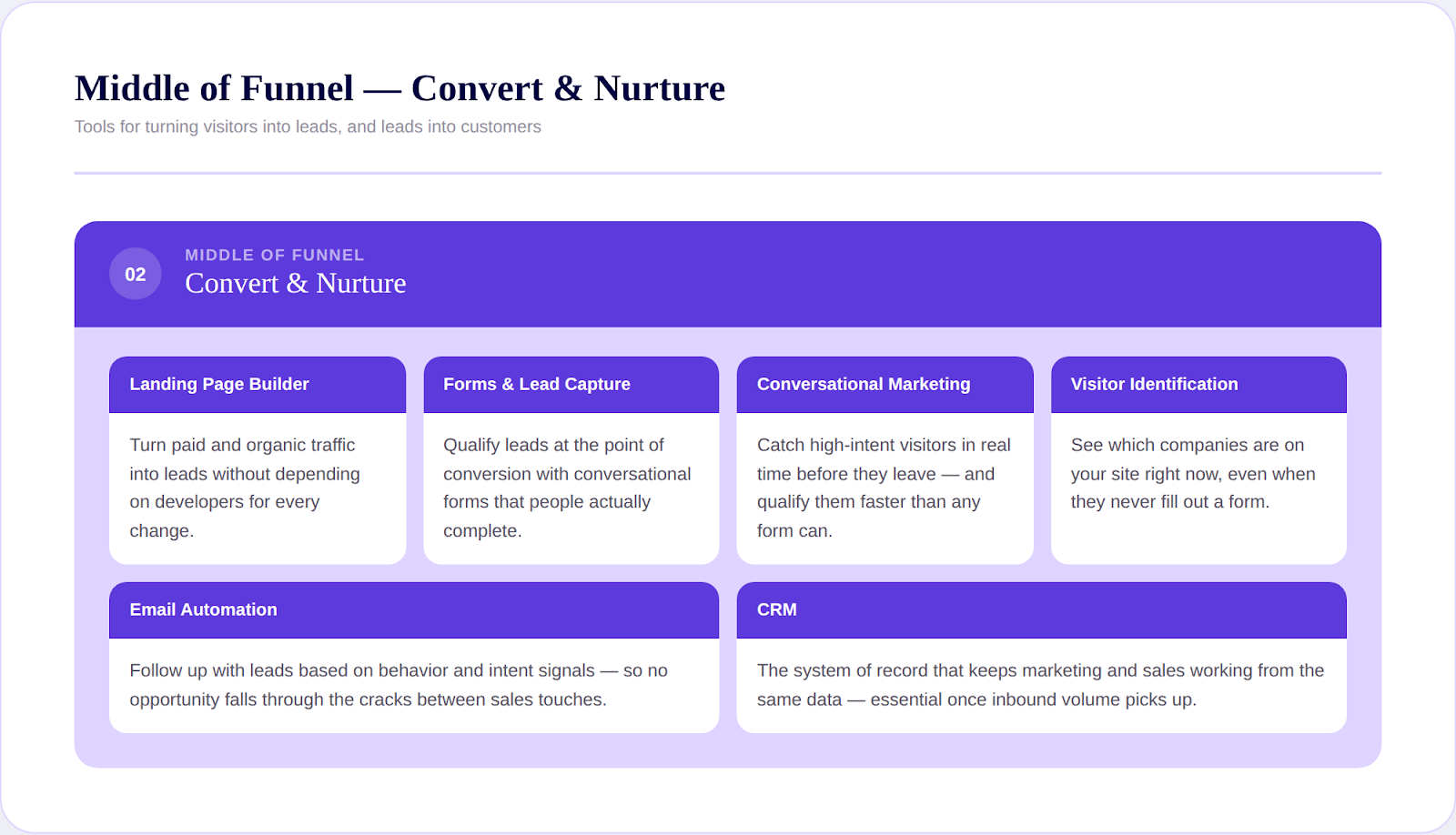
Traffic without conversion is just an audience. This is where most inbound stacks underinvest relative to what they spend attracting visitors. If your conversion rate is under 2-3% and you're considering spending more on content or SEO, fix this layer first.
Your landing page is where paid spend either pays off or leaks. One tool in this category, used well, will do more for your CAC than most top-of-funnel additions.
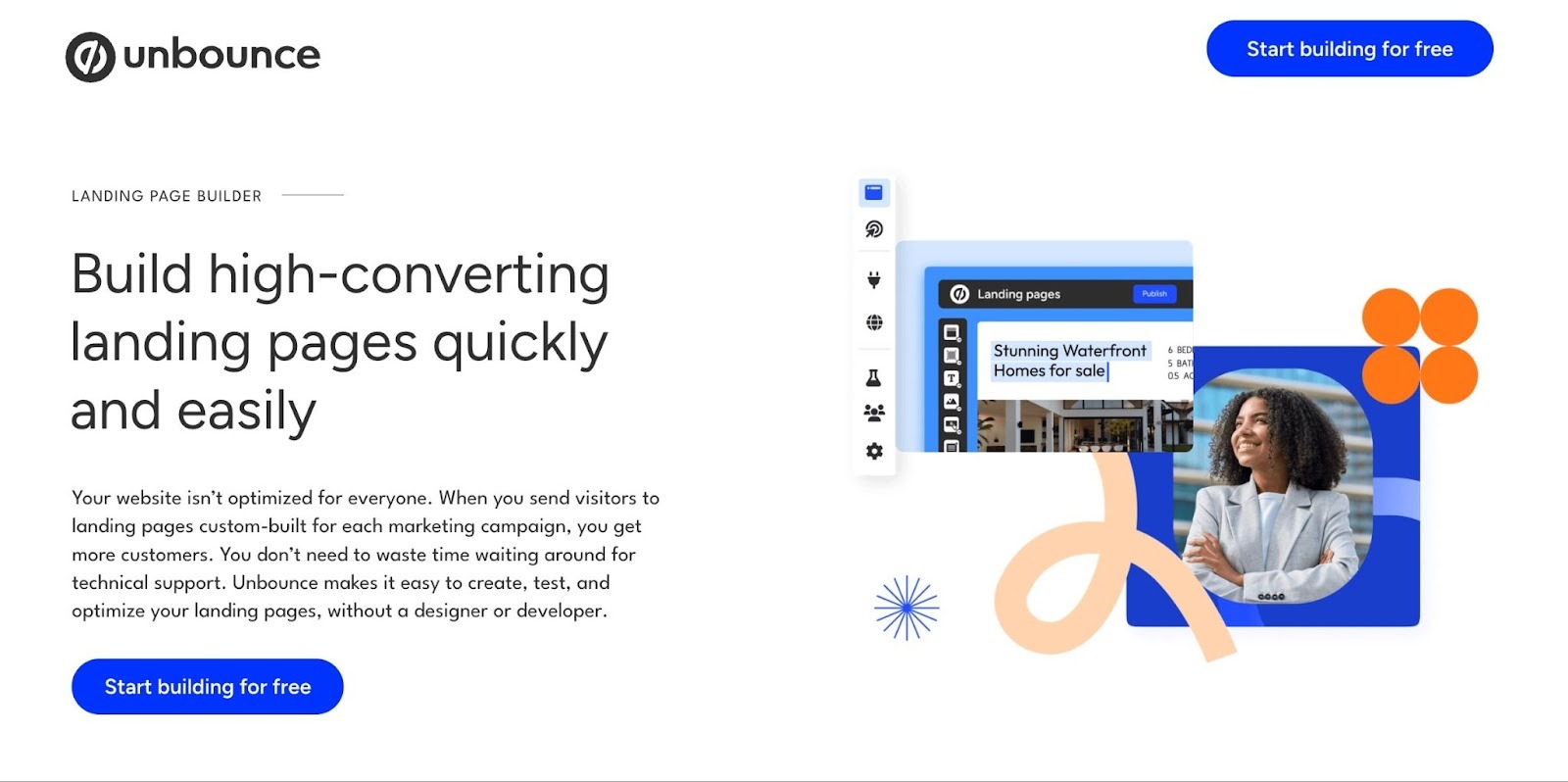
Unbounce is the category standard for high-converting landing pages without developer dependency. The drag-and-drop builder is genuinely good, the template library is extensive, and the platform has been refining this specific workflow for over a decade. The standout feature is Smart Traffic — an AI that automatically routes visitors to the page variant most likely to convert for them, based on attributes like device, location, and behavior. It delivers an average 30% lift in conversions compared to standard A/B testing, which is a real number worth paying for if you're running paid campaigns. Note that Smart Traffic requires the Optimize plan at $249/month — the entry-level Build plan at $99/month doesn't include it. Worth knowing before you budget.
Pricing: from $99/month, 14-day free trial.
The form is often the last thing teams optimize — and one of the highest-leverage changes they can make. Completion rate on a longer qualification form can double with the right format. In
fact, multi-step forms alone can lift completion rates by 20–30% compared to single-page forms, which is one of the higher-return, lower-cost interventions available to most inbound teams. The format change does more work than most copy rewrites.
Typeform solves the form completion rate problem. Conversational, one-question-at-a-time formatting consistently outperforms static forms on completion rate — particularly for longer qualification flows where you're asking more than name and email. That said, it's overkill for a simple newsletter sign-up. The real use case is high-consideration products where knowing something meaningful about a lead before the sales conversation actually changes the conversation.
Pricing: from $25/month.
Live chat and AI-assisted conversations that catch high-intent visitors before they leave — and qualify them faster than any form can.
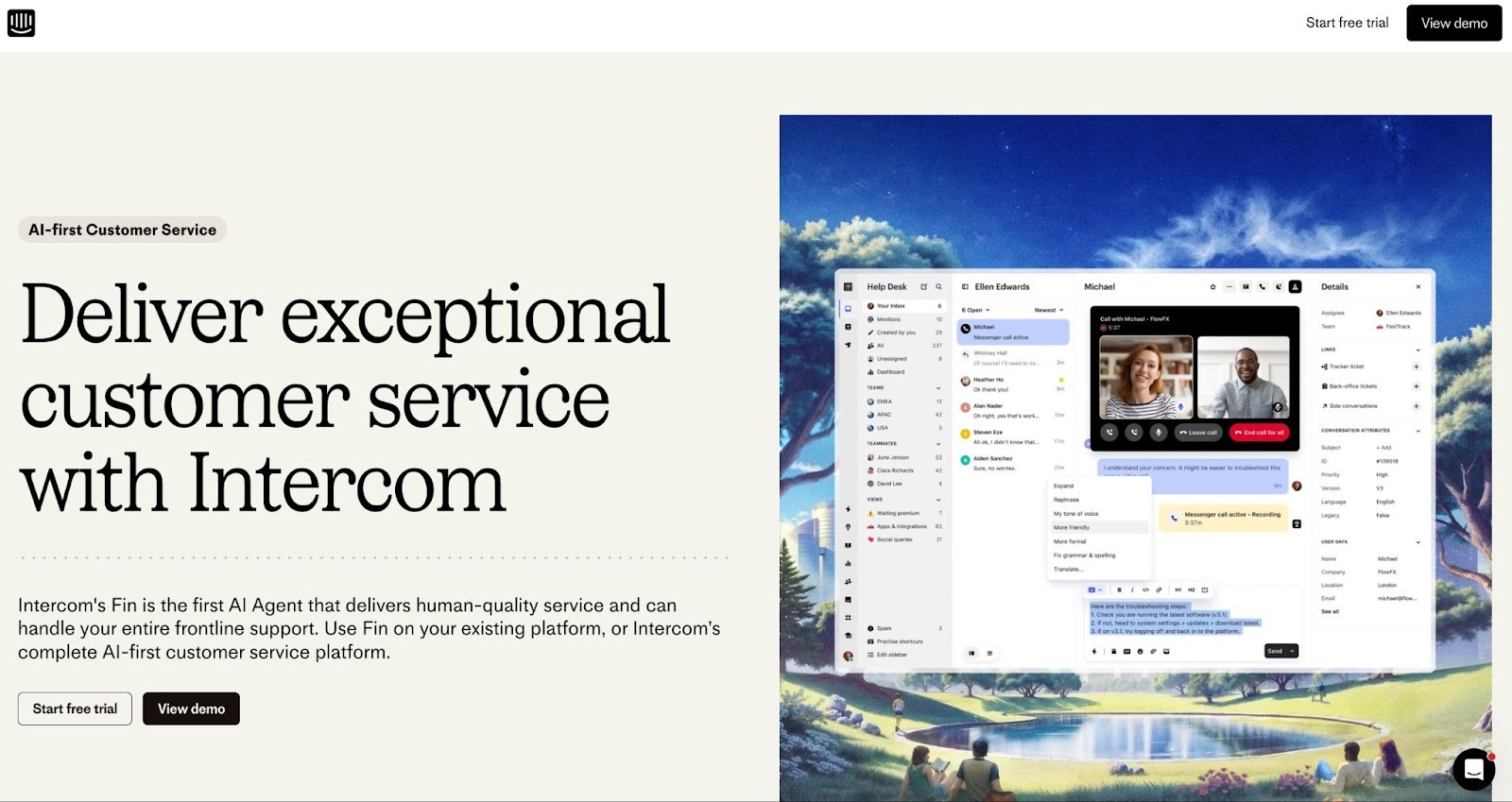
Intercom is the most complete platform for the full customer lifecycle — marketing, sales, and support all running through one messenger. The AI chatbot (Fin) handles initial qualification automatically, which matters for teams that can't staff live chat around the clock but still want inbound leads to get an immediate response. If your product and support experience are genuinely part of the value you sell — which describes most SaaS companies — Intercom's ability to keep that full journey inside one system is a real advantage.
Pricing: from $74/month.
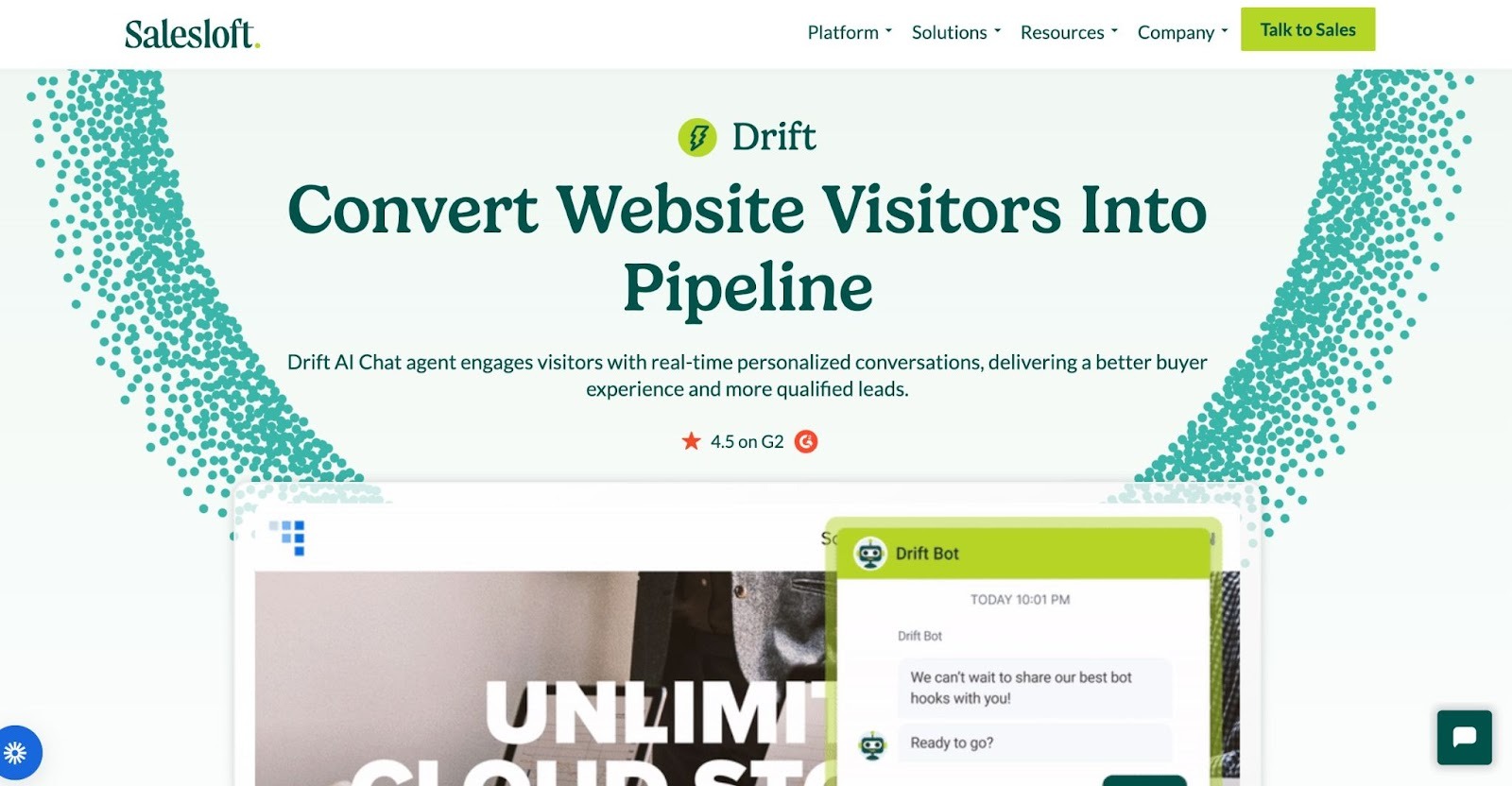
Drift is built specifically for pipeline generation in a B2B context. Playbooks triggered by CRM data, account-based targeting, and tight integration with sales workflows make it the better option for companies with high-value deals and active SDR teams where every conversation is a qualified pipeline opportunity.
Pricing: custom pricing — it's not cheap, and is squarely aimed at mid-market and enterprise B2B.
Most of your target accounts visit your site and never fill in a form. This category makes the invisible intent visible.
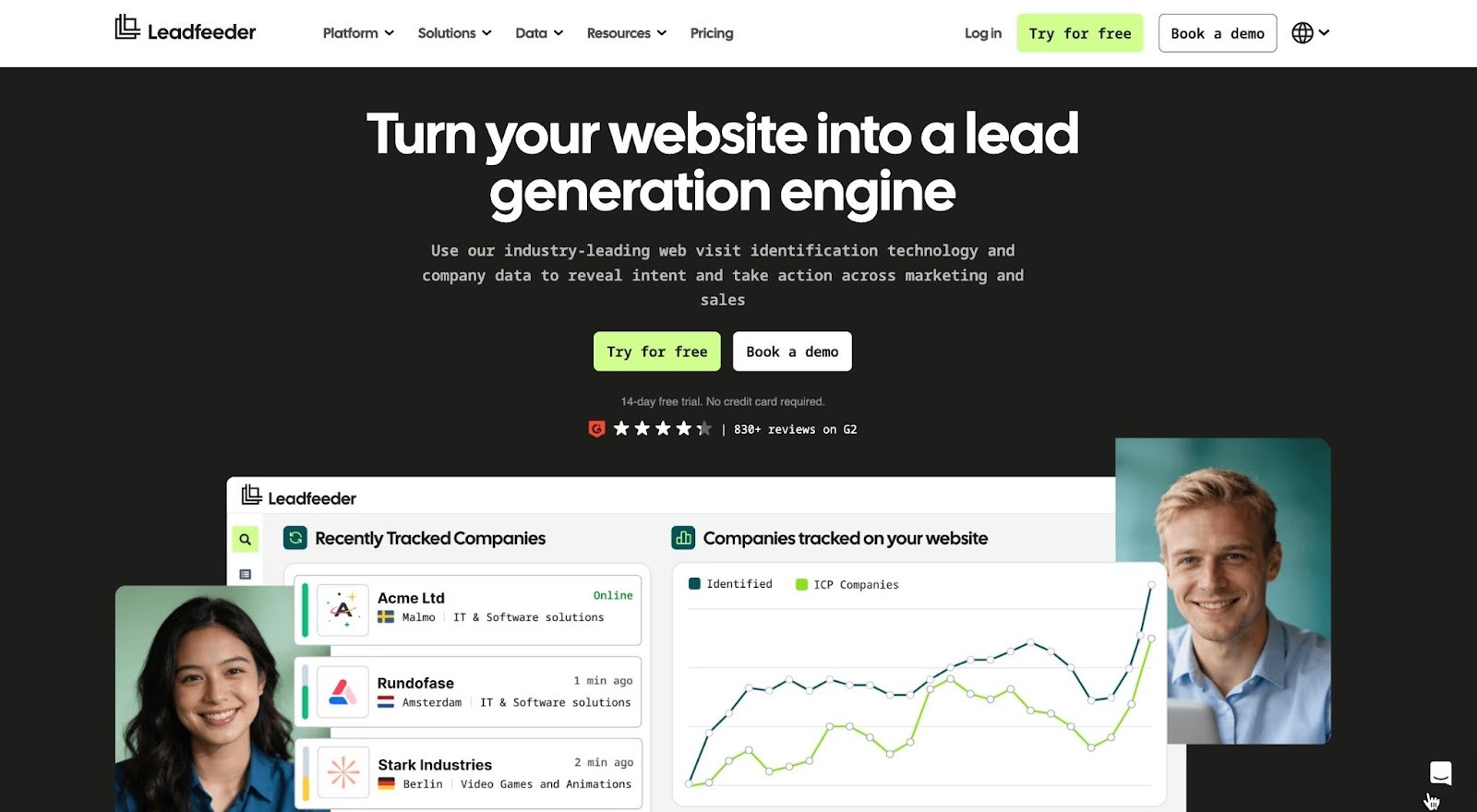
Leadfeeder (now Dealfront) identifies which companies are visiting your site, even when they never fill in a form. A company visiting your pricing page three times in a week is a warm signal. Most teams never see it because there's no form fill attached. For B2B teams with a clearly defined ICP and an SDR function to follow up on that intent data, this is one of the highest-leverage additions to an inbound stack — intelligence that was previously invisible becomes an actionable pipeline.
Pricing: from $139/month.
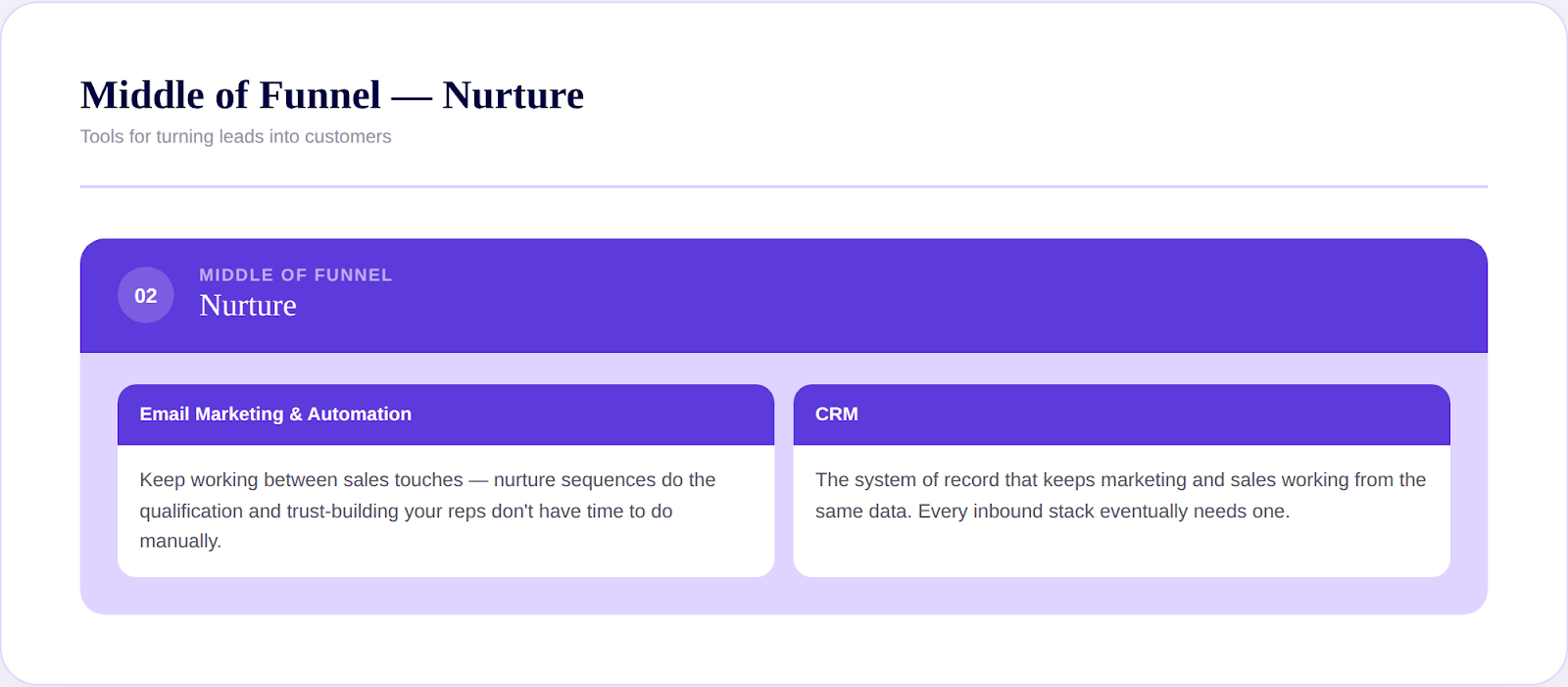
Most leads aren't ready to buy on first contact. The nurture layer is what separates teams that generate leads from teams that generate revenue. If you're not running any email automation, you're leaving follow-up to chance — and most leads that fall through a crack never come back.
The engine that keeps working between sales touches. A good nurture sequence does the qualification and trust-building that your SDRs don't have time to do manually.

Reteno is an AI messaging platform for subscription apps. It enables mobile apps teams to improve their retention and Web2App funnel performance. You can manage email, push notifications, SMS, in-app, web push, App Inbox, and messengers directly from Slack, Claude Cowork, or OpenAI Codex agents using conversational commands. Purpose-built for Web2App, trial, freemium, and direct-install funnels, with specialized expertise in the Health & Fitness and Education verticals. Ideal for teams prioritizing retention, speed, and automated optimization.
Pricing: free with growth plan starting at $30/month for up to 10K user profiles.
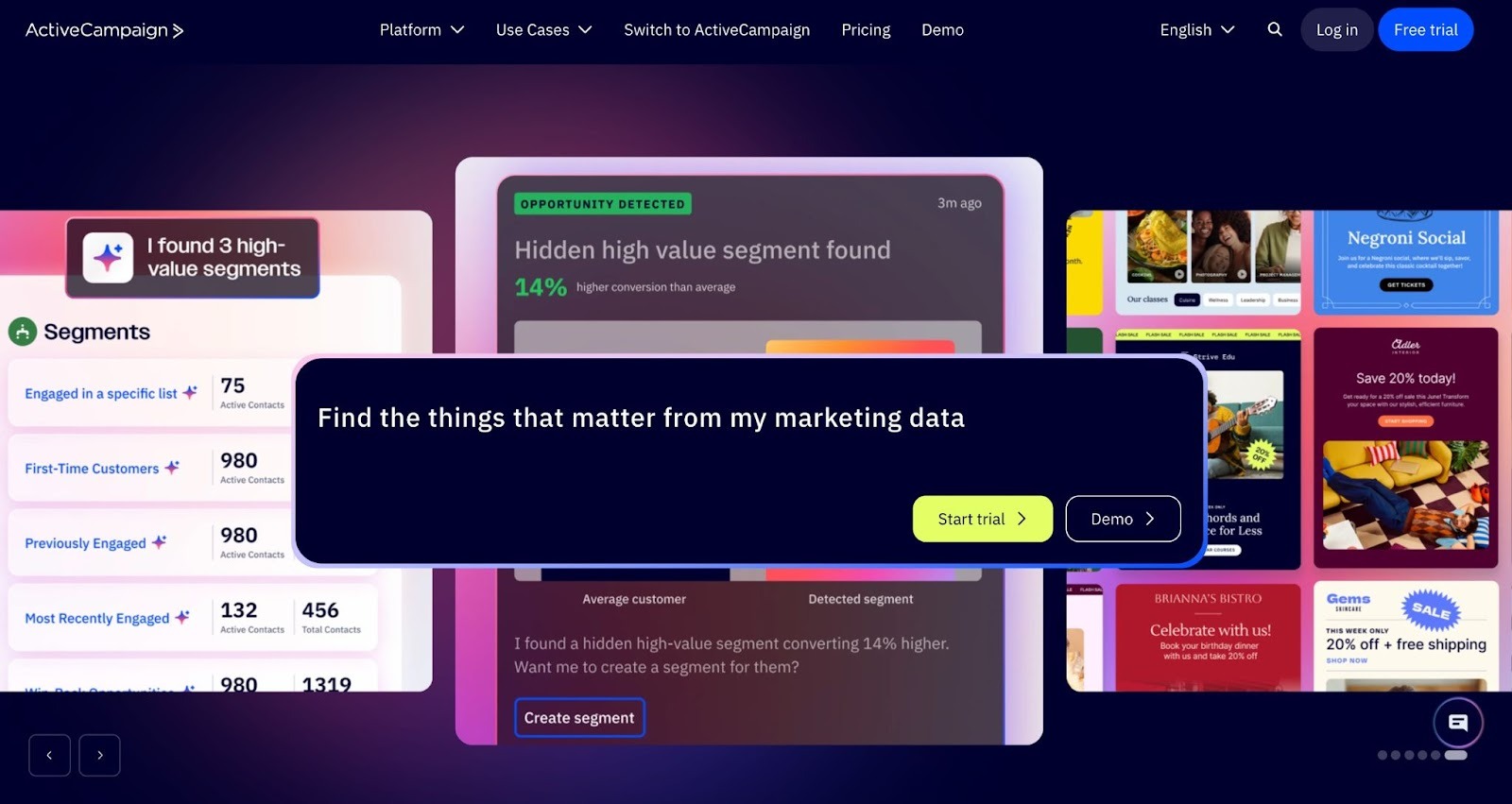
ActiveCampaign has the strongest balance of automation depth and usability in this category. The visual workflow builder handles complex behavioral sequences — if a contact visits your pricing page, clicks a specific email, and doesn't book a call within three days, you can build that logic without writing a single line of code. The integrated CRM keeps sales and marketing working from the same data, which eliminates the common problem of a lead getting both a marketing nurture email and a cold sales outreach on the same day. Best for SMB and mid-market teams that need serious automation without enterprise complexity or price.
Pricing: from $15/month.
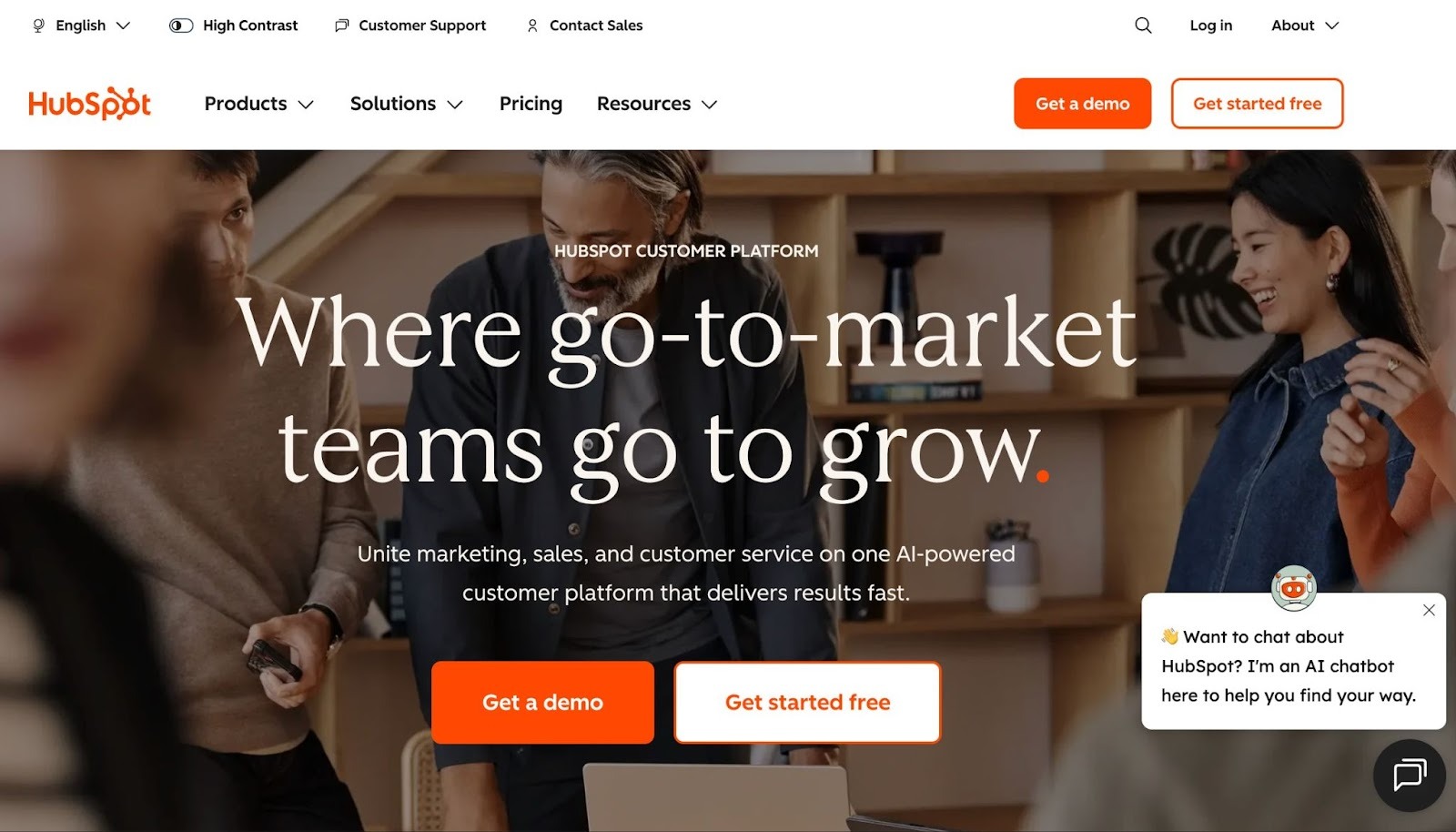
HubSpot Marketing Hub is the all-in-one that connects content, email, CRM, and revenue attribution in one ecosystem. The closed-loop reporting — seeing which blog post drove which contact into which deal — is genuinely unique and hard to replicate by stitching together separate tools. The right choice if you're already on HubSpot CRM and want everything talking to each other. Expensive if you're not. At the higher tiers, it's a significant investment, and the value is only fully realized when you're using the full platform rather than just the email features.
Pricing: free CRM to $800+/month for Marketing Hub.
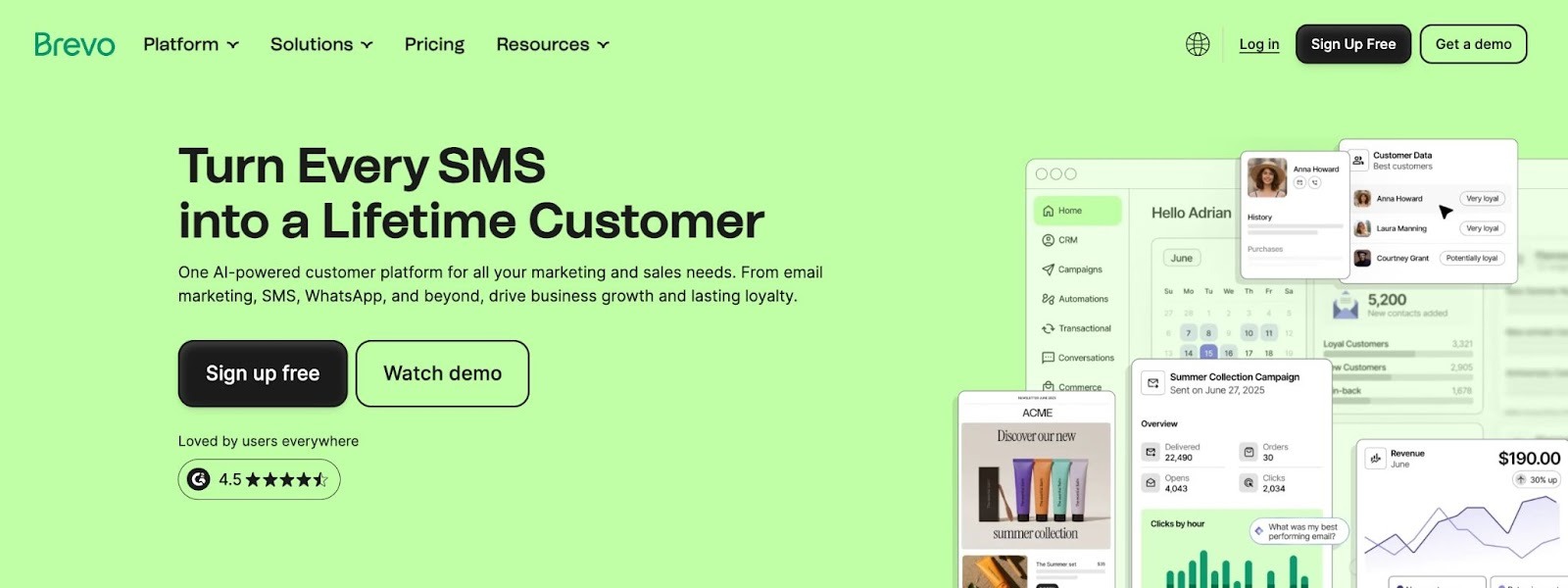
Brevo has the most generous free tier in email marketing — up to 100,000 contacts and 300 emails per day at no cost. Multi-channel out of the box (email, SMS, WhatsApp), built-in CRM, and pricing that stays accessible well into the growth stage. For small businesses building their first nurture infrastructure, or teams that need to prove the channel before asking for budget, Brevo removes the cost barrier almost entirely.
Pricing: free tier, paid from $8/month.
Every inbound stack eventually needs a system of record. The tool you choose here determines how well marketing and sales data talk to each other.
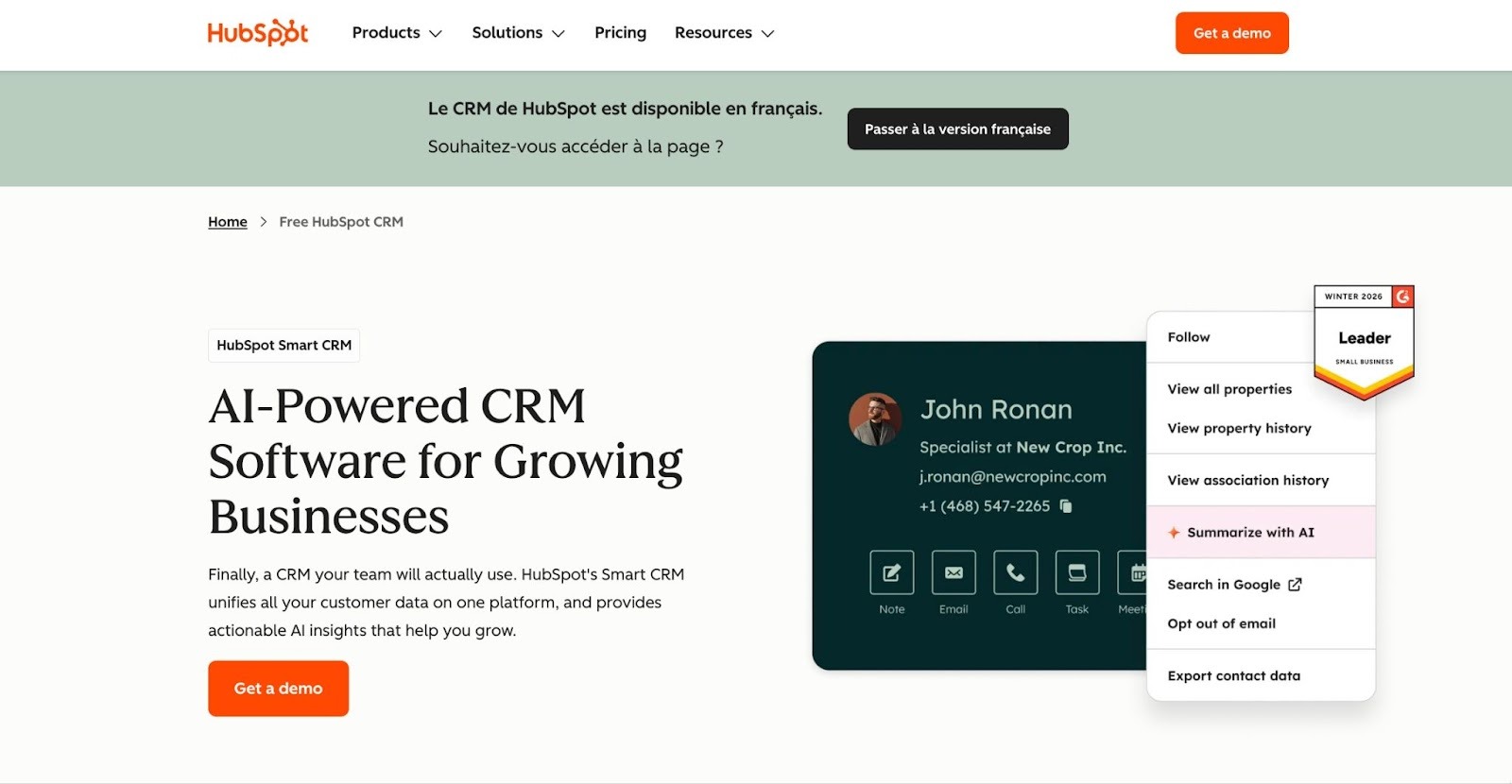
HubSpot CRM is the default choice for teams not locked into Salesforce — free, deeply integrated across the HubSpot ecosystem, and genuinely useful without requiring a paid upgrade to get started. The fact that it's free makes it the obvious starting point for any team that doesn't already have a CRM in place.
Pricing: free with upgraded plan starting at $15 per seat.
Salesforce is the enterprise standard for complex organizations with large sales teams, sophisticated territory management, or a need to connect marketing data to a system of record that Finance and Sales already trust. Not an inbound tool in itself, but the system every serious inbound stack eventually needs to integrate with at scale.
Pricing: free with upgraded plan starting at $25 per user per month.
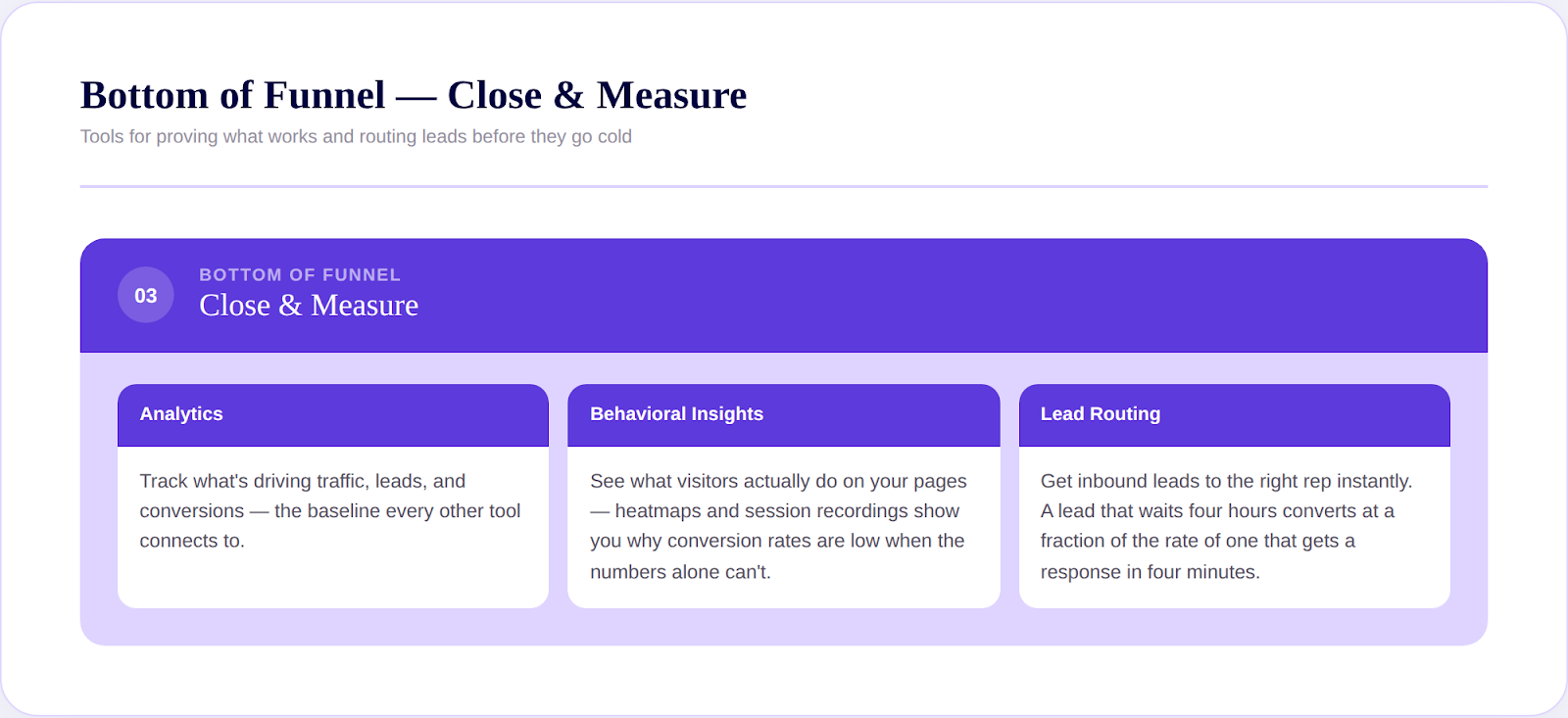
The most neglected part of the inbound stack. Most teams invest heavily in the attract and convert layers, then measure results with tools that can't actually tell them which parts of the funnel are working. If you can't measure it, you can't justify the budget to keep doing it.
You can't justify continued investment in inbound without knowing what's working. These two tools answer different questions — GA4 tells you what happened, Hotjar tells you why.
In fact, only 64% of marketers use Google Analytics to measure content ROI, which means a meaningful share of teams are flying blind on the most basic performance question in the stack.
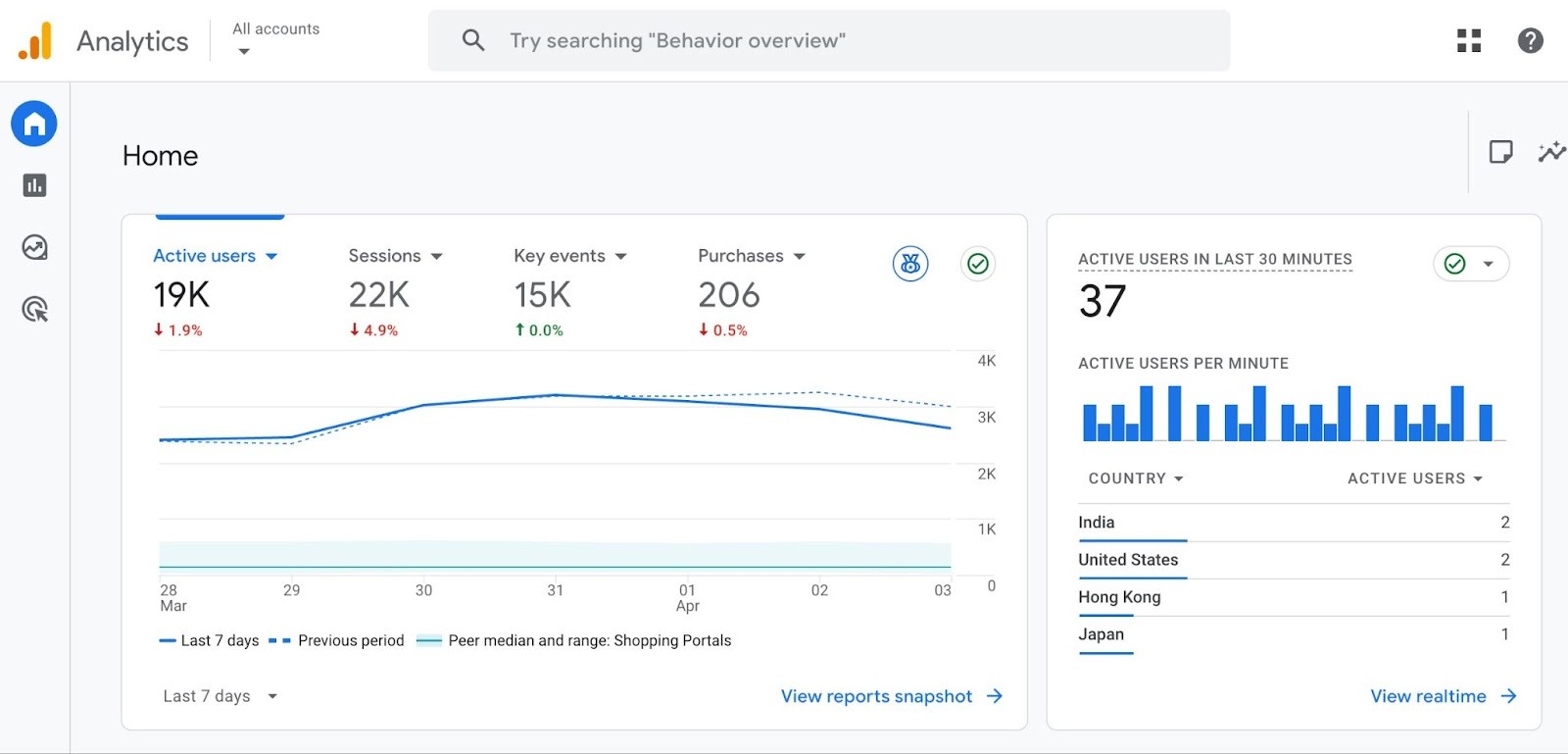
Google Analytics 4 is the non-negotiable foundation. Free, integrated with Search Console and Google Ads, and now the standard across the industry following the UA sunset. Honest caveat worth stating: GA4's learning curve is genuinely steep, its interface is less intuitive than its predecessor, and its attribution model has real limits for complex multi-touch journeys. None of that is a reason to skip it — it's still the baseline every other tool connects to. Best for everyone. Businesses can also connect GA to BigQuery to work with more detailed analytics data and perform more flexible reporting and analysis.
Pricing: free.
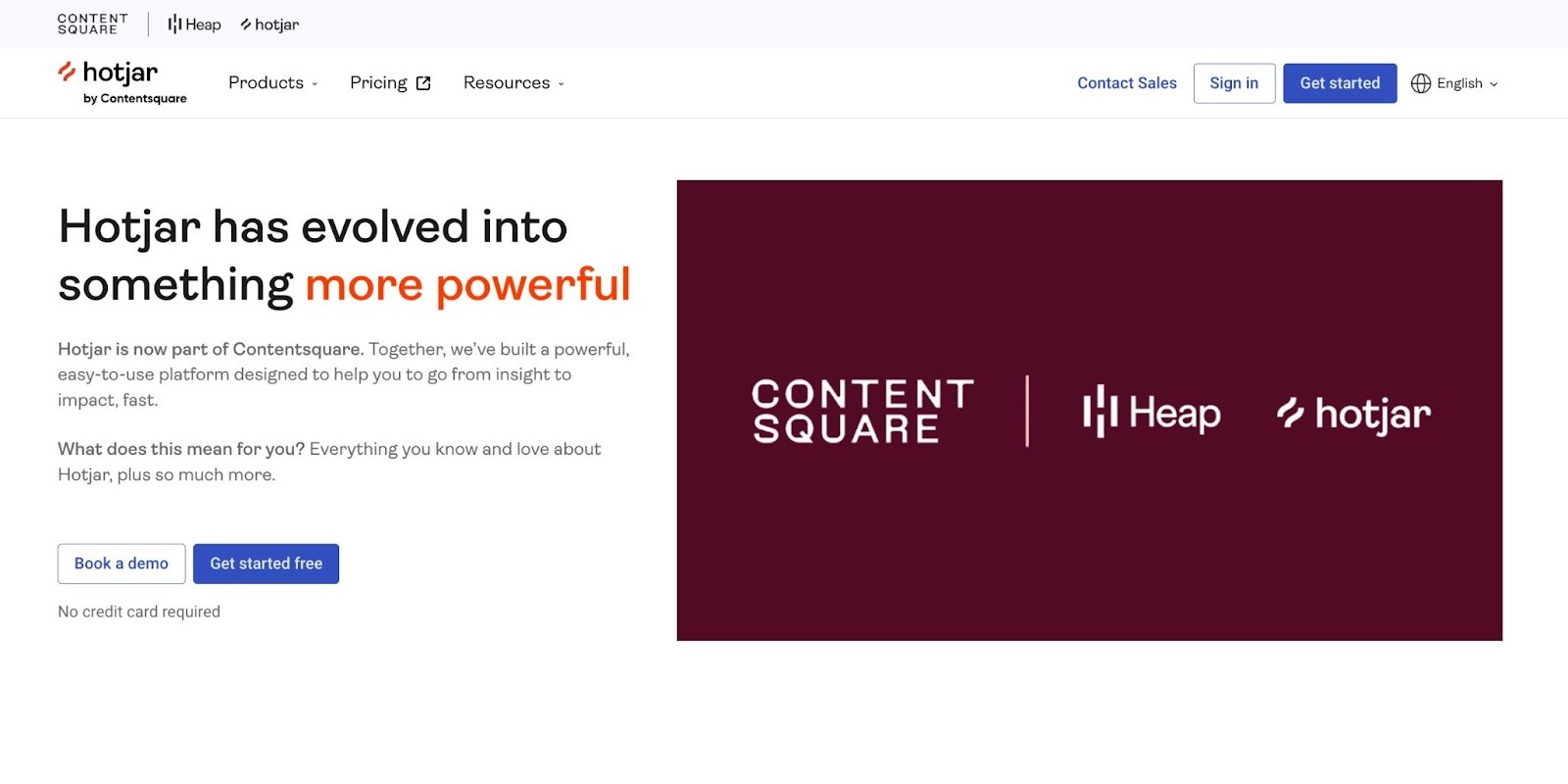
Hotjar adds the behavioral layer underneath GA4. Heatmaps, session recordings, and on-site surveys show you what people are actually doing on your pages — not just how many visited. When your conversion rate is lower than it should be and GA4 can't tell you why, Hotjar usually can. A user rage-clicking a non-clickable element, half the visitors on mobile never seeing your CTA, a form field that everyone abandons — these are the problems that don't show up in a pageview report but are immediately obvious in a session recording.
Pricing: free tier, paid from $32/month.
The handoff from marketing to sales is where most inbound programs quietly leak revenue. A lead that sits in a queue for four hours has a fraction of the conversion probability of one that gets a response in four minutes.
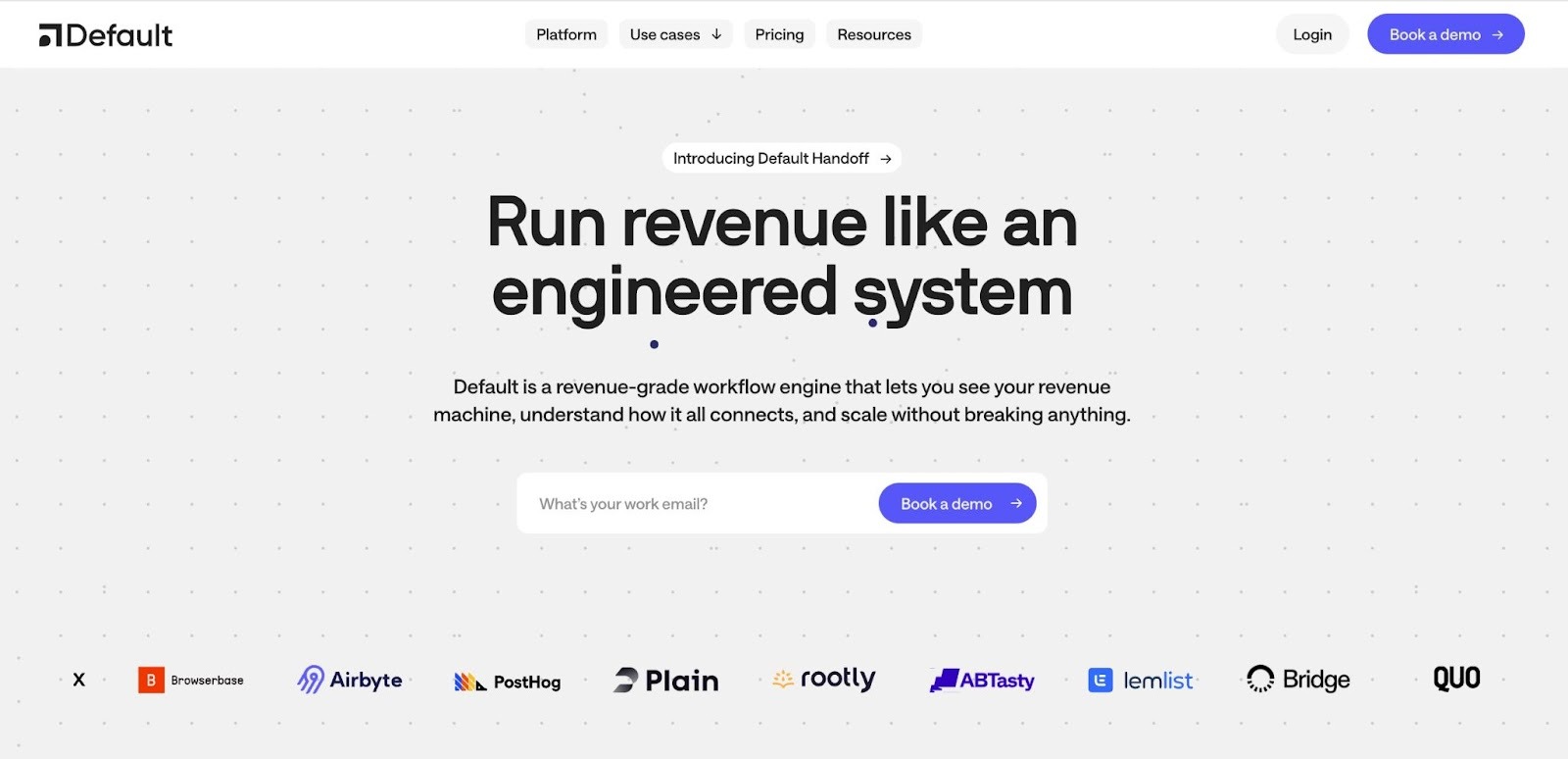
Default automates the marketing-to-sales handoff — real-time lead enrichment, intelligent routing based on CRM data, and meeting scheduling triggered at the point of conversion. The problem it solves is one of the most common inbound failures: a lead comes in, fills out a form, and sits in a queue while a rep manually reviews it and assigns it hours later. By then the lead has moved on. Default handles that entire sequence automatically, including matching the lead to the right rep based on territory, deal size, and ownership rules. Best for B2B teams with meaningful inbound volume where speed-to-lead is a measurable priority.
Pricing: contact sales.
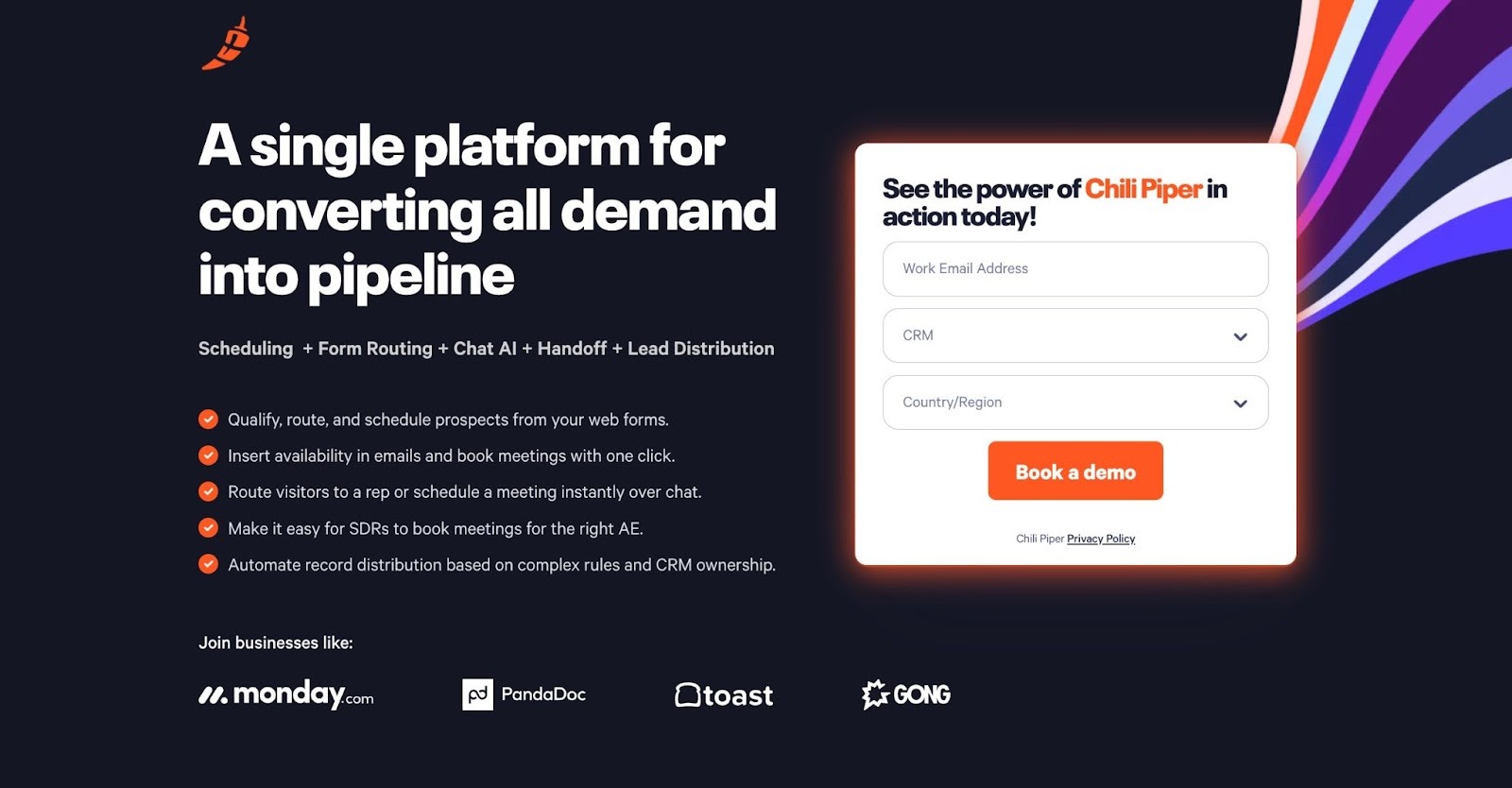
Chili Piper is the category standard for routing inbound leads to the right rep at the moment of highest intent — right after a form fill, right after a demo request. The combination of instant booking and intelligent routing based on territory and availability has a direct impact on conversion rates from lead to meeting. For revenue teams where speed-to-lead is actively tracked and held accountable, this is a high-leverage tool.
Pricing: from $30/user/month.
The best inbound marketing stack isn't the one with the most tools — it's the one where every tool has a clear job, a clear owner, and a clear metric attached to it.
If you have solid coverage across attract, convert, nurture, and measure, you have a working inbound engine. If you're missing one of those stages, that's where to invest next — not in adding a sixth SEO tool when your conversion rate is 0.8%.
Start with two or three tools, build real workflows, and add complexity only after you've proven the basics work. A simple stack you actually use consistently beats an expensive one nobody has time to configure.
.webp)
With 10 years of writing experience and a deep interest in SEO, AI, and content management, Anna’s here to break down big ideas and translate them into plain English for readers of all levels. She's got a Master's Degree in International Information and is a lifelong learner of writing and storytelling. Outside of work, she’s on the yoga mat, in a good book, or planning her next adventure with family and friends.
.svg)
.svg)
.svg)

.svg)
%20(1).svg)
%20(3).svg)
.svg)
.svg)